

Figuring out how to keep kids comfortable in diapers all day can take more trial and error than most people expect. When your child is wearing diapers or pull-ups for longer stretches, at school, during errands, or throughout busy days at home, small comfort issues can turn into bigger frustrations fast.
For many families managing pediatric incontinence care, comfort is not just about absorbency, but also about fit, movement, moisture, timing, and choosing supplies that work with your child’s body and daily routine. If you are dealing with leaks, rubbing, redness, or frequent changes, you are not doing anything wrong. Often, it just means the current setup needs a few tweaks.

Why Kids Get Uncomfortable in Diapers or Pull-Ups Throughout the Day
When a child wears the same product for several hours, discomfort usually comes from a combination of moisture, friction, heat, and fit. A diaper or pull-up that technically “works” can still feel bulky, rub in the wrong spot, or shift during walking, sitting, or play.
That is especially true for older children with incontinence, who may be more active, more sensitive to texture, or more aware of how a product feels under clothing. What starts as a little bunching at the leg opening or waistband can turn into irritation, leaking, or resistance to wearing the product at all.
This is why child diaper comfort tips need to go beyond absorbency alone. Comfort depends on how the product performs over a full day — not just right after a change.
How Diaper and Pull-Up Fit Affects Comfort, Movement, and Leaks
One of the most important factors in choosing the best diaper fit for kids with incontinence is sizing based on body shape and movement, not just age or a general clothing size. A product that is too tight may leave marks, dig into the waist or legs, and trap heat. A product that is too loose may sag, shift, leak, or rub as your child moves around.
A better fit usually looks like this:
- The waistband sits securely without pinching
- Leg openings feel snug but not tight
- The product stays in place when your child walks, sits, or lies down
- There is no major gapping at the legs or waist
- The material does not bunch up heavily between the legs
If you are seeing frequent leaks, red marks, or constant adjusting, the problem may be fit rather than absorbency alone. This applies to both diapers and pull-ups. Pull-ups that twist, slide down, or pinch at the sides can quickly become uncomfortable during a school day or longer outing.
Read More: More Than Diapers: The Peace of Mind UroStat Gave Josh’s Family Living With Autism & JdVS
How to Tell if a Diaper or Pull-Up Fit Is Causing Discomfort
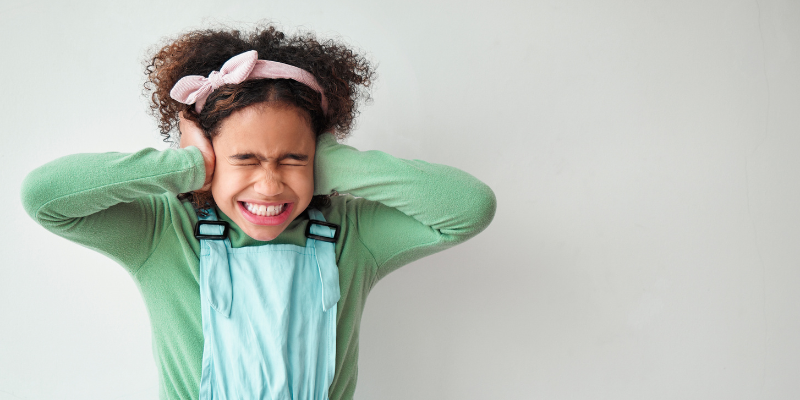
Kids do not always say, “This doesn’t fit right.” Sometimes the signs are more subtle. You may notice:
- Tugging at the waistband or legs
- Trying to remove the diaper or pull-up more often
- Complaints about itching, burning, or feeling too warm
- Redness where the product sits
- Changes in mood during long wear times
- More leaks during active parts of the day
Watching for patterns helps. If discomfort shows up mostly after school, after naps, or during longer car rides, that gives you useful clues about when moisture, pressure, or rubbing may be building up.
How to Prevent Diaper Irritation in Children with Better Change Routines
If you are wondering how to prevent diaper irritation in children, one of the simplest ways is to look at the daily changing routine. Even a well-fitting product can become uncomfortable if it stays damp too long or if changes are delayed during busy parts of the day.
A few habits can help:
- Change promptly after bowel movements
- Build in regular check times during longer days
- Use a more absorbent daytime or school-day option if needed
- Keep a small routine before leaving the house so your child starts outings in a fresh product
- Pack backups so you are not stretching wear time longer than you want to
This does not mean chasing perfect timing every single day. It just means reducing the stretches where moisture and friction sit against the skin long enough to cause problems.
For children who are in diapers or pull-ups most of the day, moisture control is one of the biggest parts of keeping children comfortable in pull-ups all day.
How to Prevent Diaper Rash in Older Children and Protect Sensitive Skin
When parents search how to prevent diaper rash in older children, they are often dealing with more than a simple rash. Sometimes it is rubbing at the leg openings, dampness sitting on the skin, or irritation from repeated contact during active movement.
To help protect the skin:
- Clean gently during changes without over-scrubbing
- Make sure the skin is dry before putting on a fresh product
- Use skin-protective products if your child’s care team recommends them
- Pay attention to spots where the diaper or pull-up rubs the most
- Reassess fit if redness keeps showing up in the same place
- Avoid waiting until the skin looks very irritated before making a change
If redness is mild and recent, a small fit or routine change may solve it quickly. If it keeps coming back in the same areas, that is often a sign the product shape, size, or wear schedule is not working as well as it could.
Read Next: Bigger Diapers for Older Kids and Teens (Ages 5–21)
Choosing Comfortable, Breathable Diapers for Children with Incontinence
Children notice when a product feels hot, stiff, or bulky — especially during active days. Breathable materials and the right absorbency level can make a big difference in comfort. If a product is too heavy for your child’s body or daily activity level, it may feel damp, bulky, or restrictive long before it reaches its absorbency limit.
This is one reason families often need more than one type of product. What works overnight may not be the best option for school or errands. A slimmer daytime pull-up or a different diaper style may offer better movement and comfort while still giving enough protection.
When comparing diapers for children with incontinence, it helps to think about:
- Daytime vs. overnight use
- Sitting for long stretches vs. active movement
- Ease of changing outside the home
- How the product fits under clothing
- Whether your child tolerates the material well
Related Reading: Sensory-Friendly Diapers and Pull-Ups for Kids with Autism

Making School Days, Errands, and Longer Outings Easier
Comfort is often hardest to manage when you are away from home. School schedules, car rides, appointments, and busy weekends can make it harder to change on time or adjust supplies as needed.
A few practical steps can make longer days easier:
- Change right before school, appointments, or outings
- Pack one more product than you think you will need
- Bring wipes, a disposable bag, and a change of clothes
- Keep supplies in more than one place, like the car and backpack
- If your child is school-aged, talk through what feels comfortable and what does not
- Choose products based on the day’s routine, not just what is already open at home
These small habits can lower stress for caregivers too. When you know your child is wearing something that fits well and you have backups ready, the day usually feels more manageable.
You May Also Like: 8 Back-to-School Tips to Help Kids with Special Needs Manage Incontinence Confidently
Small Routine Changes Can Help Caregivers Too
Caregiving can be tiring, especially when you are balancing changes, laundry, school schedules, and everything else in a normal week. If you are dealing with repeated leaks or irritation, it can start to feel like you are always troubleshooting.
Comfort usually improves through small changes, not a complete overhaul. A better fit, a more breathable option, a more realistic changing routine, or better school-day prep can take pressure off both your child and you.
That is part of what good pediatric incontinence care should do — support your child’s comfort while making daily care feel more doable for the adults helping them.
How the Right Pediatric Incontinence Supplies Improve Comfort and Daily Care
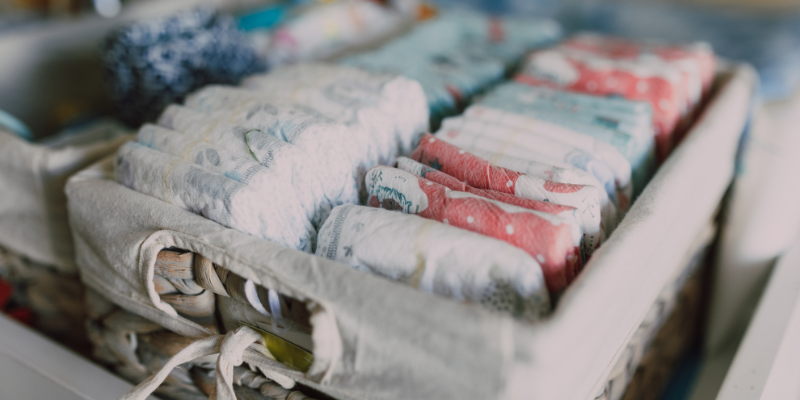
Not every child needs the same product style, size, or absorbency level. Families often do better when they have access to pediatric incontinence supplies that match real life: movement, school, outings, skin sensitivity, and daily routines.
UroStat Healthcare supports families looking for child incontinence supplies, including diapers, pull-ups, wipes, underpads, chux, and other medically necessary products. Supplies are delivered discreetly to your door to make the process easier to handle. UroStat’s child incontinence program also helps families connect with approved coverage and get what they need without adding more to their plate.
In some cases, care may go beyond diapers or pull-ups. Children with certain medical needs may also require additional support like pediatric catheters, which are prescribed and used as part of a broader care plan. Having access to the right combination of supplies can make daily routines feel more consistent and less overwhelming.
If you have been trying to piece together a better system on your own, having the right supply partner can help you feel more confident about product choices, refills, and next steps.
Learn More: How to Get Free Diapers for Children With Autism
Take the Next Step to Make Daily Comfort Feel More Manageable
If your child is uncomfortable in diapers or pull-ups during the day, that does not mean you are stuck with constant leaks, irritation, or stressful routines. In many cases, a few practical changes — better fit, more breathable options, more consistent check-ins, or school-day prep — can make daily care feel smoother and more comfortable.
Pediatric Diaper Comfort Questions Parents Search Most
How can I keep my child comfortable in diapers all day?
Start with the basics: a good fit, timely changes, and products that match your child’s activity level. A diaper or pull-up that stays in place, manages moisture well, and does not rub can make a big difference. If your child is still uncomfortable, reassess size, material, and when changes happen during the day.
What causes diaper irritation in older children?
The most common causes of diaper irritation in older children are moisture, friction, heat, and poor fit. Older children may also be more active, which can make rubbing at the legs or waist worse. If irritation keeps showing up in the same spot, the product may be too tight, too loose, too bulky, or not being changed often enough.
How do I know if a diaper or pull-up fits correctly?
A good fit should feel secure without pinching. The waistband should stay in place, the leg openings should not gape or dig in, and the product should not slide, twist, or bunch excessively during movement. Frequent leaks, deep marks, or constant adjusting are all signs the fit may need to change.
How often should I change diapers or pull-ups during the day?
Change timing depends on your child’s needs, but the best rule is not to let dampness sit too long. Change promptly after bowel movements and build in check times during school, outings, or busy days. Regular changes help with comfort, odor control, and preventing diaper irritation in children.
What helps prevent skin irritation with pediatric incontinence?
Gentle cleansing, drying the skin fully, and using a well-fitting product are some of the biggest factors. It also helps to watch for early redness and make changes before irritation worsens. For many families, better moisture control and a more breathable product improve skin comfort quickly.
Are there pediatric incontinence supplies for older kids?
Yes. Many families need diapers for children with incontinence or pull-ups designed for older children and larger youth sizes. The right product depends on body size, absorbency needs, daytime activity, and ease of use. Older children often need options that feel less bulky and move more comfortably through school and daily routines.
Can incontinence supplies for children be delivered to your home?
Yes. Some providers, like UroStat Healthcare, offer home delivery for pediatric incontinence products, including diapers, pull-ups, wipes, under pads, and chux, covered by Medicaid (if eligibile). Check your eligibility for free diapers for your child here.