
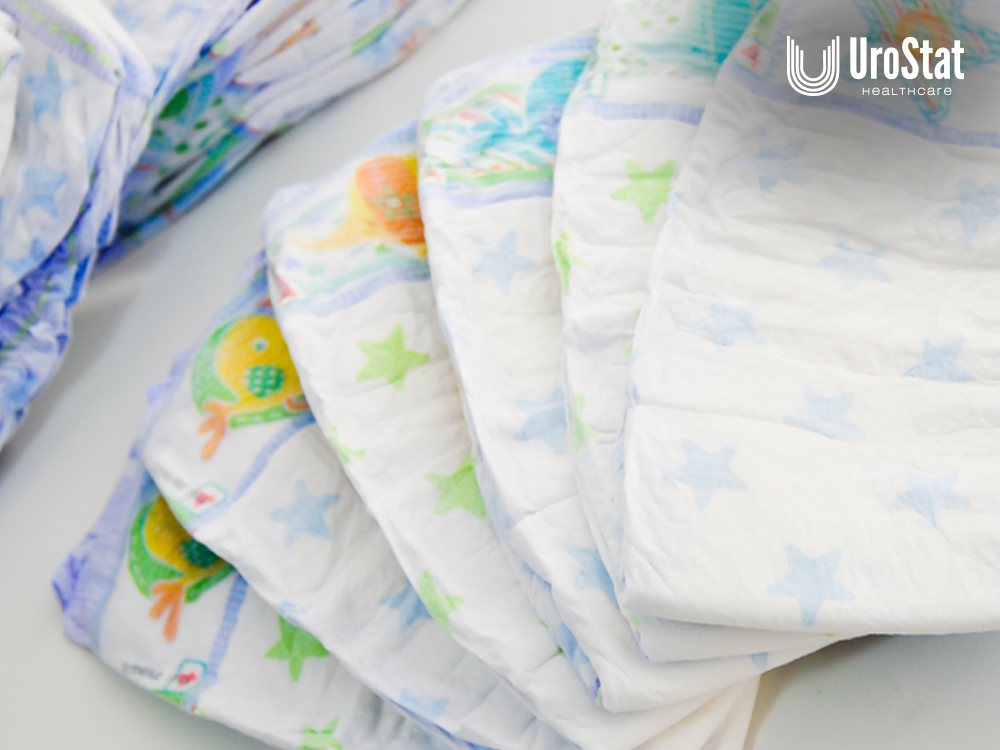
If your child with autism becomes upset during diaper changes, pulls at their pull‑ups throughout the day, or seems distressed by the feel of their diaper, you’re not imagining it, and your child isn’t being difficult.
For many children with autism, sensory sensitivities make wearing diapers or pull‑ups genuinely uncomfortable in ways that aren’t always obvious to others. Texture, fit, sound, breathability, and even subtle smells can trigger real distress.
Understanding your child’s sensory experience can help you choose products that work with their nervous system instead of against it, making daily routines calmer and more comfortable for everyone.
This guide explains how sensory processing differences affect diaper and pull‑up comfort, what makes a product “sensory‑friendly,” and how to support your child’s comfort while honoring their sensory needs.
How Sensory Sensitivities Affect Diaper Comfort
Many children with autism experience the world differently than neurotypical children do. This isn’t a problem to fix—it’s simply a difference in how their nervous system processes information from their senses.
For some children, sensory input that others barely notice can feel overwhelming, uncomfortable, or even painful. For others, they may seek out certain sensations or not register sensory input that neurotypical children would notice immediately.
When it comes to wearing diapers or pull-ups, sensory processing differences can show up in several ways:
Touch and Texture
Your child may be highly sensitive to:
- The texture of the outer material (smooth plastic, cloth-like, rough, soft)
- The feel of the inner lining against their skin
- The presence of seams, edges, or elastic bands
- The sensation of wetness or the absorbent material swelling
- The texture change when a diaper becomes wet or soiled
What feels like a barely noticeable seam to you might feel like a rough, irritating ridge to your child. What seems like soft material might feel scratchy or overwhelming against sensitive skin.
Pressure and Fit
Some children are very aware of:
- How tight or loose the waistband feels
- Pressure from leg openings
- The overall “squeeze” or restrictiveness of the diaper
- How the diaper sits on their body when they move, sit, or lie down
Some children need a snug, secure fit to feel comfortable. Others need looser, more flexible products that don’t create pressure. There’s no universal “right” fit — it depends on your child’s individual sensory profile.
Sound
Certain materials make sounds that can be distressing:
- Crinkling or rustling when your child moves
- The tearing sound of adhesive tabs
- The noise made when pulling a pull-up up or down
For children who are sensitive to sound, even quiet crinkling can be distracting or upsetting throughout the day.
Smell
Some children are sensitive to:
- Chemical or “new product” smells
- Fragrance added to diapers for odor control
- The smell of absorbent materials
- Scents from lotions or wipes used during changes
Products marketed as “fresh-scented” might seem pleasant to adults but overwhelming to a child with heightened olfactory sensitivity.
Temperature and Breathability
Some children notice:
- Whether the material traps heat or allows airflow
- The temperature of the diaper against their skin
- Moisture or dampness even when the diaper isn’t “full”
Understanding these sensory experiences helps you see that when your child resists diapers or seems uncomfortable, they’re communicating a genuine physical experience, not being stubborn or difficult.
Read More: Why Some Children With Autism or Developmental Delays Need Diapers Longer

How Standard Diapers or Pull-Ups Can Trigger Discomfort
Most diapers and pull‑ups are designed for the general market, prioritizing absorbency and cost efficiency over sensory comfort. For sensory‑sensitive children, this can lead to challenges such as:
Stiff or Scratchy Materials
Some diapers use materials that feel rough, plasticky, or stiff. For children with tactile sensitivities, these textures can be genuinely uncomfortable, like wearing sandpaper instead of soft fabric.
Prominent Seams and Edges
Seams where materials are joined, elastic edges, or adhesive tab areas can create texture changes that sensitive children notice acutely. These can feel like raised ridges or rough patches against skin.
Loud Crinkling Sounds
Many diapers and pull-ups make distinct crinkling or rustling sounds with movement. For children sensitive to sound, this ongoing auditory input can be distracting, annoying, or distressing throughout the day.
Strong Chemical or Fragrance Smells
The smell of certain materials, adhesives, or added fragrances can be overwhelming for children with heightened smell sensitivity. Even “light” scents can be too much.
Tight or Inflexible Waistbands
Some products have rigid elastic waistbands that create constant pressure around your child’s middle. For children who are sensitive to pressure or who prefer loose-fitting clothing, this can trigger discomfort or resistance.
Bulkiness
Very thick or bulky diapers may be highly absorbent but can also restrict movement, feel heavy, or create an uncomfortable sensation between your child’s legs.
Temperature Regulation Issues
Products that don’t breathe well can trap heat and moisture, creating an uncomfortable warm, damp sensation even when the diaper isn’t wet.
It’s Not Behavior—It’s Sensory Response
When your child:
- Pulls at their diaper or tries to remove it
- Becomes upset during changes
- Resists putting on a fresh diaper
- Seems agitated or uncomfortable throughout the day
- Has trouble settling for sleep while wearing certain products
…they’re responding to genuine sensory discomfort, not being defiant or difficult. Understanding this helps you approach the challenge with compassion rather than frustration.
What Makes a Diaper or Pull-Up “Sensory-Friendly”
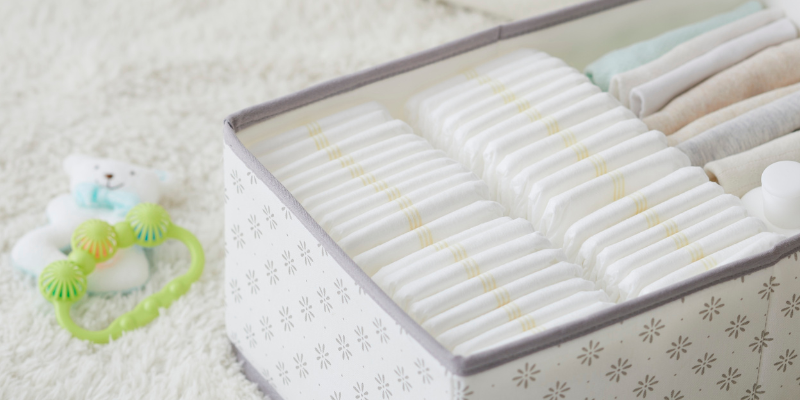
A sensory‑friendly diaper or pull‑up minimizes sensory triggers while still providing reliable protection. While every child’s needs are different, many families find these features helpful:
- Softer, cloth‑like materials that feel gentler against skin
- Quieter construction with reduced crinkling and rustling
- Flexible waistbands and leg openings that move easily without pressure
- Breathable design to reduce heat and moisture buildup
- Fragrance‑free formulas that avoid unnecessary scent triggers
- Smooth edges and minimal seams for reduced tactile irritation
- Effective absorbency without bulk, allowing greater freedom of movement
The goal is supporting your child’s comfort, dignity, and ability to move through their day without constant sensory overload.
When children feel physically comfortable, they have more capacity for learning, regulating emotions, sleeping, playing, and connecting with others.
How UroStat Supports Sensory‑Sensitive Children and Their Families
Finding continence products that actually feel comfortable for a sensory‑sensitive child can take time, and it often takes more than what’s available on a store shelf.
UroStat Healthcare focuses on helping families find diapers and pull‑ups that fit older children and youth and are better tolerated by kids with sensory sensitivities. That includes options that are softer, quieter, and more breathable, along with help navigating insurance coverage and delivery so supplies arrive consistently and discreetly.
If you’re looking for support that adapts as your child grows and their needs change, UroStat makes this process easier to manage.
Your Child’s Comfort Comes First
Your child’s body gives you information every day. When something feels off, their reactions are often the clearest signal that a change is needed.
Choosing products that feel comfortable isn’t lowering expectations or taking an easy way out. It’s making sure your child feels secure in their own body, which supports regulation, confidence, and participation in daily life.
You see what helps and what doesn’t. Trust that insight — and know that help is available when you want it.
Frequently Asked Questions
Why do children with autism struggle with diapers or pull‑ups?
Many children with autism have heightened sensitivities to touch, sound, pressure, smell, or temperature. Certain diaper materials or designs can trigger sensory discomfort that leads to distress.
Is it normal for an autistic child to need diapers or pull‑ups longer?
Yes. Continence development depends on many factors, including sensory processing, communication, motor skills, and neurological development. For many children, these follow a different timeline.
What does “sensory‑friendly” mean for diapers?
Sensory‑friendly diapers are designed to reduce common triggers by using softer materials, quieter construction, flexible fit, breathability, and fragrance‑free options.
How can I tell if diaper discomfort is sensory‑related?
Signs may include pulling at diapers, resisting changes, agitation while wearing certain products, or increased calm with different materials or fits.
Are sensory‑friendly diapers covered by insurance?
In many cases, yes. Medicaid and some commercial plans cover pediatric incontinence supplies with a qualifying diagnosis. Coverage varies by state and policy.
Is prioritizing comfort giving up on potty training?
No. Reducing sensory distress often supports emotional regulation and learning. Comfort provides a foundation for development — it doesn’t prevent progress.
Contact UroStat Healthcare
If you’d like help finding sensory‑friendly options or understanding coverage, you don’t have to navigate it alone.
- Call: 888-845-8698 (Monday – Friday, 8 a.m. – 5 p.m. ET) – Se habla español
- Email: service@urostathealthcare.com
- Online: Check Your Eligibility