
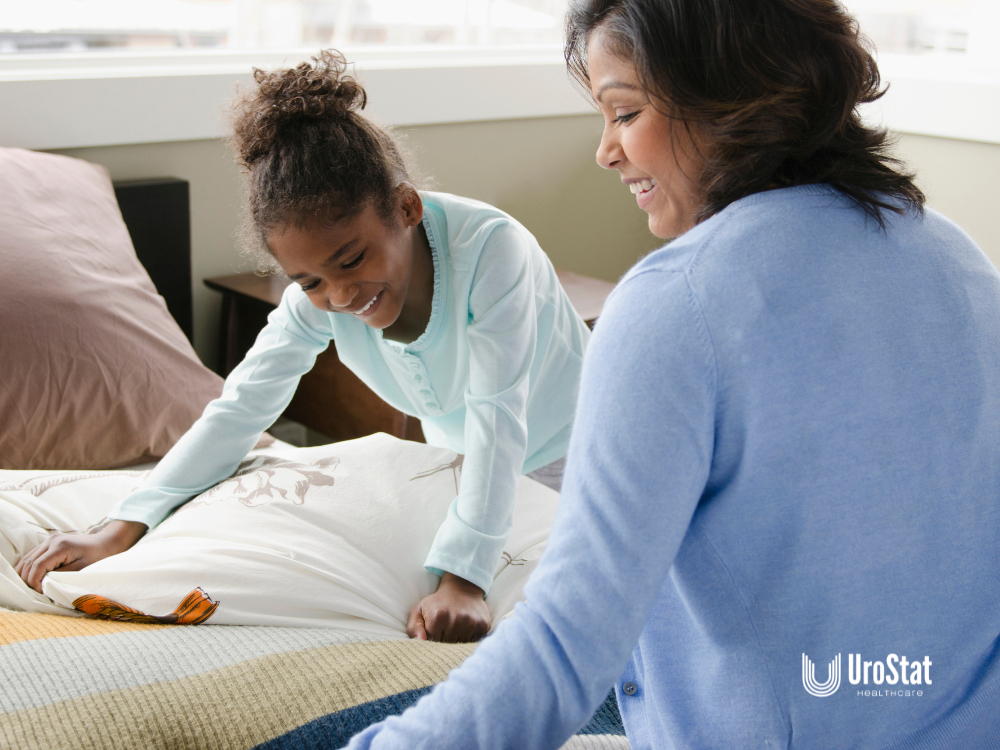
Protecting your child’s comfort, confidence, and everyday routine.
Caring for a child with bladder or bowel incontinence comes with unique challenges, but the right products can make everyday life much easier. Underpads and bladder control pads each serve a different purpose, and knowing when and how to use them can help prevent leaks, protect furniture and bedding, and keep your child comfortable throughout the day.
At UroStat Healthcare, we help families receive insurance-covered incontinence supplies for children with qualifying medical conditions. This guide explains how underpads and bladder control pads work, when to use them, and simple tips to get the most protection from each.
What Are Underpads?
Underpads, sometimes called bed pads, chair pads, or chux, are absorbent pads designed to protect surfaces from urine leaks. Unlike diapers or pull-ups, underpads are not worn by your child. Instead, they create a protective barrier between your child and the surface beneath them.
Disposable underpads are designed for one-time use and should be replaced after they become wet or soiled. Using a fresh underpad helps keep your child comfortable, protects surfaces, and supports healthy skin.
Common Uses for Underpads
Overnight Bed Protection
Many children experience nighttime accidents even while wearing an overnight diaper or pull-up. Placing an underpad on top of the fitted sheet where your child sleeps provides an extra layer of protection and can make middle-of-the-night cleanup much faster if leaks occur. Layering waterproof mattress protection with an absorbent underpad can further help protect mattresses from moisture.
Protecting Furniture
Underpads work well on:
- Sofas
- Recliners
- Wheelchairs
- Car seats (when appropriate and safely positioned)
- Dining room chairs
- Therapy seating
They help protect upholstery while allowing children to sit comfortably during daily activities.
During Diaper or Pull-Up Changes
Many parents keep an underpad on the changing surface to catch accidents during changes. This helps keep changing areas cleaner while reducing laundry.
Travel Protection
Underpads are easy to fold and pack in a diaper bag. They’re useful for:
- Hotel beds
- Airplane or car travel
- Sleepovers
- Grandparents’ homes
- Therapy appointments
Having one available can provide peace of mind wherever your family goes.
Potty Training
Children with developmental delays or medical conditions often need additional time when learning toilet skills. An underpad can help protect furniture or bedding while practicing new routines and reduce stress if accidents happen.
Also Read: What to Do When Potty Training Takes Longer Than Expected
How to Use an Underpad
Using an underpad correctly helps maximize protection.
- Place the absorbent side facing up.
- Position the pad beneath the area most likely to experience leaks.
- Smooth out wrinkles so the pad stays flat.
- Replace disposable pads after they become wet.
Changing wet pads promptly helps reduce moisture against the skin and lowers the risk of irritation.
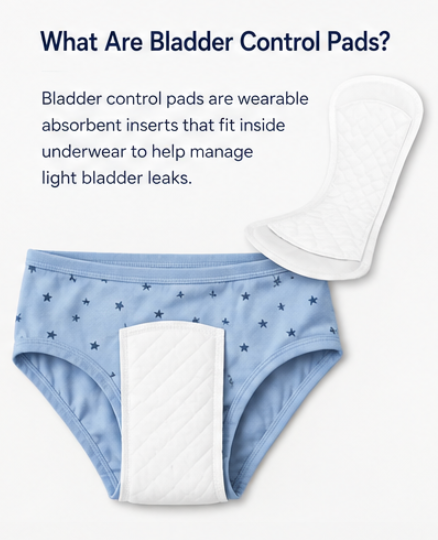
What Are Bladder Control Pads?
Bladder control pads are wearable absorbent inserts designed to collect small to moderate urine leaks. They fit inside close-fitting underwear and provide discreet protection while allowing children to stay active.
Unlike underpads, bladder control pads move with your child throughout the day.
Your healthcare provider can help determine whether bladder control pads are appropriate for your child’s needs based on their diagnosis, age, and level of incontinence.
When Are Bladder Control Pads Helpful?
Some children do not require the absorbency of a diaper or pull-up but still experience occasional leaks. Bladder control pads may be appropriate for:
- Light daytime leakage
- Dribbling between bathroom visits
- Children who are toilet trained but still have occasional accidents
- School-aged children who need discreet protection
- Sports or physical activities
- Car rides and outings
Choosing the correct absorbency level and changing pads regularly helps reduce leaks and protects skin.
Tips for Using Bladder Control Pads
For the best results:
- Choose the correct size for your child (check out our Size Guide here)
- Wear snug-fitting underwear to help keep the pad in place.
- Change the pad after it becomes wet.
- Clean and dry the skin thoroughly during each change.
- Monitor for redness or irritation and speak with your healthcare provider if skin problems develop.
Can Underpads and Bladder Control Pads Be Used Together?
Absolutely! Many families use multiple products throughout the day depending on the situation.
For example:
During the Day
- Bladder control pad for light leaks
- Underpad on classroom chairs or therapy seating if extra protection is needed
At Night
- Overnight diaper or pull-up
- Underpad placed on the bed for additional leak protection
Using either product can reduce laundry, protect furniture, and make cleanup easier after nighttime accidents.
Helpful Tips for Parents and Caregivers
A few simple habits can make managing incontinence easier:
- Keep extra supplies in the car and diaper bag.
- Have spare clothing available for school or outings.
- Protect mattresses with a waterproof cover beneath bedding.
- Change wet products promptly to help keep skin healthy.
- Keep a consistent toileting schedule if recommended by your child’s healthcare provider.
- Speak with your child’s school nurse or teachers if additional accommodations are needed.
Frequently Asked Questions
Yes. Underpads are designed to be placed on top of the fitted sheet or other protected surface to absorb leaks and help keep bedding dry.
Underpads should be placed on top of the fitted sheet, directly beneath your child. This allows the pad to absorb leaks before they reach the bedding while making nighttime cleanup quicker and easier.
Not always. Bladder control pads are generally intended for lighter leakage. Children with moderate or heavy incontinence often require diapers or pull-ups for adequate protection.
Yes. Underpads provide an additional layer of protection for mattresses, bedding, furniture, wheelchairs, and other surfaces, especially when used together with a waterproof mattress protector.
Both products should be changed whenever they become wet or soiled. Prompt changes help keep your child comfortable and reduce the risk of skin irritation.
An underpad protects surfaces, such as beds, chairs, or changing tables, from leaks. A bladder control pad is worn inside underwear to absorb light urine leakage. Many families use both products for different situations throughout the day.
We’re Here to Help
Finding the right incontinence products shouldn’t be overwhelming. Whether your child needs underpads, bladder control pads, diapers, pull-ups, or other medical supplies, the right combination of products can help make daily routines easier while keeping your child comfortable, dry, and confident.
At UroStat Healthcare, our team helps eligible families navigate insurance coverage and find the supplies that best fit their child’s individual needs.
Need help getting started? Contact UroStat Healthcare today to learn whether your child may qualify for insurance-covered incontinence supplies through your state’s approved program.