
Everything parents and caregivers need to know about getting the best fit, preventing leaks, and keeping their child comfortable.
Whether your child wears diapers or pull-ups for medical incontinence, using them correctly can make a big difference in preventing leaks, protecting their skin, and helping them stay comfortable throughout the day and night. While the products are worn differently, the goal is the same: keeping your child dry, healthy, and confident.
This guide explains how to use both diapers and pull-ups properly and when each may be appropriate.
| Diapers | Pull-Ups |
|---|---|
| Fasten with side tabs | Pull on like underwear |
| Easier for caregiver-assisted changes | Better for children who can stand or help with dressing |
| Often preferred for children with limited mobility | Often used for more independent children |
| Easy to change while lying down | Removed by pulling down or tearing side seams |
What Are Pediatric Incontinence Diapers/Pull-ups?
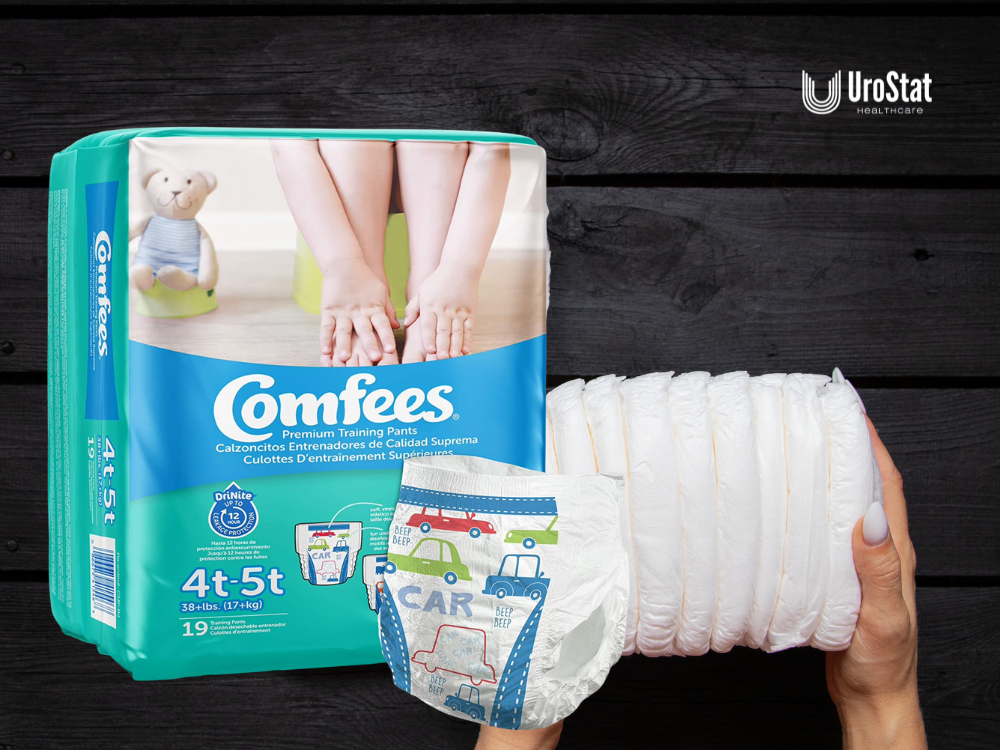
Pediatric incontinence diapers/pull-ups are designed for children with bladder or bowel incontinence. Unlike traditional baby diapers, they are available in larger sizes and some offer higher absorbency to meet the needs of older children with qualifying medical conditions.
Many Medicaid programs may cover pediatric diapers when medically necessary and prescribed by your child’s healthcare provider.
Read Next: Pull-Ups vs. Diapers: How Medicaid Decides
When Should My Child Use a Diaper Instead of a Pull-Up?
Diapers may be the better choice if your child:
- Needs caregiver assistance with changes
- Experiences moderate to heavy urinary leakage
- Has bowel incontinence
- Needs overnight protection
- Is not yet independently toileting
Your healthcare provider can help determine which product best meets your child’s needs.
Also related: Why Some Children With Autism or Developmental Delays Need Diapers Longer
How to Put on a Diaper or Pull-Up
Using a Diaper
- Wash your hands.
- Lay your child on a clean surface if needed.
- Open the diaper.
- Position it evenly under your child.
- Fasten the tabs snugly but not too tightly.
- Check the leg cuffs to help prevent leaks.
- A properly fitted diaper should stay in place while still allowing your child to move comfortably.
Using a Pull-Up
- Help your child step into the pull-up while standing or sitting.
- Pull it up until it fits comfortably around the waist.
- Check that the leg openings aren’t folded inward.
- Remove by pulling down or tearing the side seams if needed.
Tips for Preventing Leaks
To help improve protection:
- Choose the correct size – check out our Size Guide.
- Change diapers promptly after they become wet or soiled.
- Check that leg cuffs are fully extended.
- Use overnight diapers if additional absorbency is needed while sleeping.
- Consider using an underpad on the bed for extra protection.
How Often Should Diapers/Pull-ups Be Changed?
Diapers should be changed whenever they become wet or soiled.
Frequent changes help:
- Protect your child’s skin
- Reduce the risk of irritation
- Improve comfort
- Help prevent odor
Children who wear diapers overnight should receive a fresh diaper before bedtime and another change in the morning.
Skin Care Tips
Healthy skin is an important part of incontinence care.
Parents and caregivers should:
- Clean the skin gently during each diaper change.
- Allow the skin to dry completely.
- Use barrier creams if recommended by your healthcare provider.
- Watch for redness, rashes, or sores.
Contact your healthcare provider if skin irritation does not improve.
Frequently Asked Questions
Can my child wear diapers overnight?
The diaper should fit securely around the waist and legs without leaving deep marks on the skin.
Frequent leaks, red marks, difficulty fastening the tabs, or gaps around the legs may indicate it’s time for a different size. Check out our size guide here.
Neither is better for every child. The right choice depends on your child’s mobility, independence, comfort, and medical needs. Your healthcare provider may recommend one over the other, and Medicaid coverage is based on medical necessity rather than personal preference.
We’re Here to Help
Finding the right diaper can make a meaningful difference in your child’s comfort and your family’s daily routine. UroStat Healthcare helps eligible families obtain insurance-covered pediatric incontinence supplies, including diapers, pull-ups, underpads, and other medically necessary products through state-approved programs.