

If your child is still using diapers or pull-ups past the age when other children have transitioned to underwear, you might be wondering if something is wrong, or feeling pressure from well-meaning friends, family, or even strangers who assume your child “should be trained by now.”
Here’s what we want you to know: developmental timelines for continence vary widely, and for children with autism or developmental delays, those timelines can look very different from what’s considered “typical.” That’s not a failure. It’s not a setback. It’s simply part of how your child’s body and brain are developing.
This article explains why some children need diapers or pull-ups longer, how these products support your child’s comfort and dignity, and why choosing what works for your family — rather than following arbitrary timelines — is what matters most.
Understanding Developmental Timelines
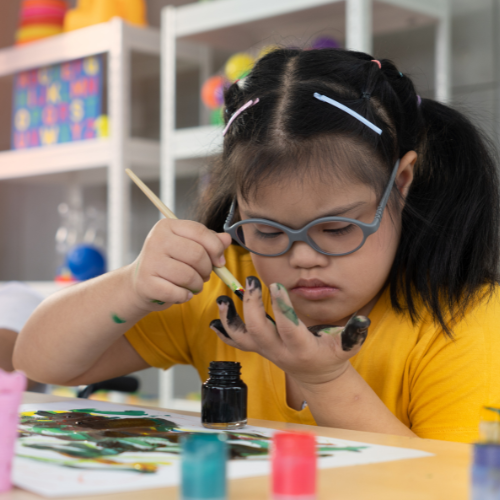
Most parenting milestones come with an “expected” age range — first words, first steps, and yes, potty training. But those ranges are just averages. They don’t account for the beautiful diversity of how children actually develop.
For many children, bladder and bowel control develop somewhere between ages 2 and 4. But for children with autism, developmental delays, or other neurodevelopmental differences, that timeline may extend well beyond early childhood, and in some cases, throughout childhood or even into adolescence and adulthood.
This isn’t because they’re not trying hard enough or because you’re not doing enough as a parent. It’s because the factors that support continence, such as body awareness, communication, sensory processing, motor coordination, and neurological development, develop differently for different children.
Related: Autism and Potty Training: Incontinence Supplies for Autistic Children
Continence Is Complex
Achieving continence requires a sophisticated coordination of physical, neurological, and cognitive skills:
- Recognizing the sensation of a full bladder or bowel
- Understanding what that sensation means
- Communicating the need (verbally or nonverbally)
- Physically getting to a bathroom in time
- Managing clothing
- Coordinating the physical act of using the toilet
- Processing sensory input (sounds, textures, smells)
- Understanding social expectations around toileting
For children with autism or developmental delays, one or more of these areas may develop more slowly or differently. That’s not a problem to fix, but a reality to support.
Read More: Autism and Potty Training: Incontinence Supplies for Autistic Children – A comprehensive guide to understanding sensory challenges, communication differences, and product options.
Reasons Some Children May Need Diapers Longer
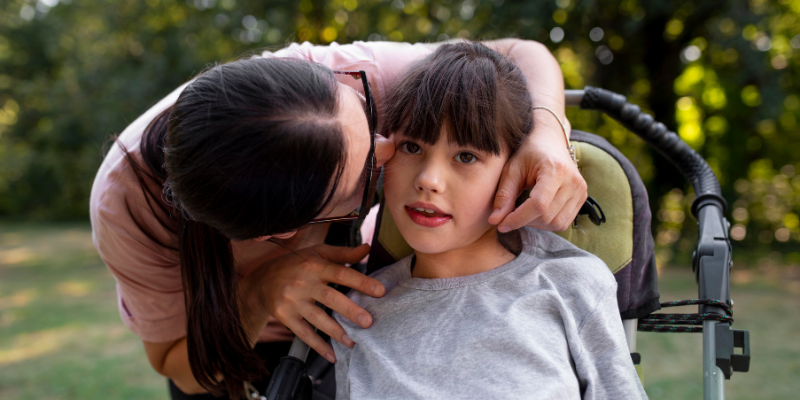
Every child is unique, and the reasons for extended diaper or pull-up use vary. Here are some of the most common factors families encounter:
Sensory Sensitivities
Many children with autism or sensory processing differences experience the world more intensely than neurotypical children. This can make toileting particularly challenging:
- The sensation of needing to go may feel overwhelming or confusing
- Toilet seats may feel uncomfortably cold, hard, or unstable
- The sound of flushing can be startling or frightening
- The texture of toilet paper may be aversive
- The smell of bathrooms may be distressing
- The feeling of sitting on a toilet may trigger anxiety
For these children, diapers or pull-ups provide a familiar, predictable sensory experience. They know what to expect, which reduces anxiety and supports emotional regulation.
Communication Challenges
Some children have difficulty recognizing internal body signals or communicating their needs to caregivers:
- They may not connect the physical sensation of a full bladder with the need to use the bathroom
- They may struggle to communicate urgency, especially if they have limited verbal language
- They may not yet understand the cause-and-effect relationship between the urge and the action needed
Diapers allow these children to go about their day without the constant pressure to identify and communicate something their bodies or brains aren’t yet ready to manage.
Motor Coordination Differences
The physical skills required for toileting — pulling down clothing, positioning on a toilet, wiping, redressing — involve fine and gross motor coordination that some children are still developing:
- Managing fasteners, elastic, or complicated clothing
- Balancing safely on an adult-sized or even child-sized toilet
- Coordinating the physical movements involved in elimination
- Managing hygiene tasks independently
Pull-ups and diapers remove some of these physical demands, allowing children to focus on other developmental priorities.
Neurological and Developmental Factors
Some children have neurological or developmental differences that directly affect bladder and bowel function:
- Neurogenic bladder (when nerve signals between the brain and bladder don’t work as expected)
- Developmental delays affecting body awareness and timing
- Conditions like cerebral palsy, Down syndrome, or global developmental delay that impact multiple systems
- Medical conditions that affect bladder or bowel control
For these children, extended diaper use is about supporting a body that functions differently and may always require additional support.
Routine and Predictability Needs
Many children with autism thrive on routine and predictability. Changing a familiar routine, like wearing diapers, can trigger significant anxiety or distress:
- The transition to underwear represents a major change in sensory input and daily routine
- Accidents can be emotionally overwhelming and may increase anxiety around toileting
- The unpredictability of “making it in time” can feel unsafe
Allowing children to continue using diapers or pull-ups until they’re truly ready — emotionally, physically, and developmentally — honors their need for stability.
Reframing Diapers and Pull-Ups as Support Tools
One of the most important mindset shifts for families is moving away from seeing diapers or pull-ups as a “failure to train” and toward seeing them as tools that support your child’s comfort, dignity, and quality of life.
Diapers and Pull-Ups Provide:
Comfort and security. Your child can move through their day without the constant worry of accidents, which reduces stress for both of you.
Hygiene and skin health. Quality disposable diapers and pull-ups protect your child’s skin from prolonged exposure to moisture, reducing the risk of rashes and irritation.
Dignity and confidence. When children feel secure and comfortable, they can engage more fully in school, therapy, play, and family activities without the fear of embarrassment.
Predictability. For children who rely on routine, diapers offer a consistent, familiar experience that supports emotional regulation.
Peace of mind for caregivers. Knowing your child is protected allows you to focus on connection, learning, and joy, not constant bathroom logistics.
Choosing the Right Products for Your Child
Modern pediatric diapers and pull-ups come in a wide range of sizes, absorbency levels, and styles designed specifically for older children and youth:
- Youth pull-ups look and feel more like underwear, which can support independence and dignity for older children
- Overnight protection helps everyone sleep better without middle-of-the-night changes
- Discreet profiles fit under regular clothing without being noticeable
- Soft, breathable materials reduce the risk of skin irritation
- Sensitive skin options are available for children with sensory sensitivities
Many families find that choosing the right disposable diapers or pull-ups helps reduce stress and supports daily routines. The right product will meet your child where they are and giving them what they need to thrive.
Everyday Life Considerations for Families
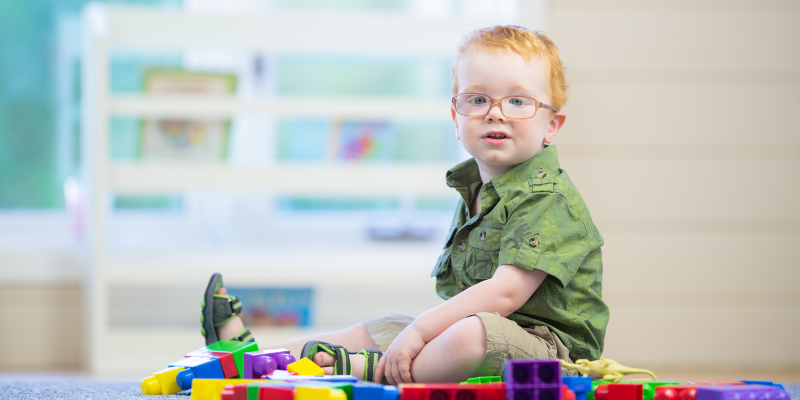
Using diapers or pull-ups longer than other children doesn’t mean your child can’t participate fully in life. With the right support and planning, families find ways to make it work across all settings.
At School
Many children attend school successfully while using diapers or pull‑ups. The key is communication and planning. Connecting with your child’s teacher and school nurse helps ensure continence needs are met with dignity and discretion.
Providing extra supplies and a change of clothing can offer peace of mind, and for some families, including continence support in an IEP or 504 plan creates clarity and consistency throughout the school day.
During Outings and Activities
Outings are often manageable with a little preparation. Packing a small bag with diapers, wipes, and an extra outfit makes it easier to handle changes calmly when needed.
Knowing where family or accessible restrooms are located can help reduce stress, and choosing activities based on your child’s comfort, rather than outside expectations, supports meaningful participation. What matters most is your child being able to engage in the experience.
At Night
Nighttime continence typically develops later than daytime control, even for neurotypical children. Overnight diapers or pull‑ups allow everyone to rest more comfortably and reduce disruptions to sleep.
Using products designed for extended wear, protecting mattresses, and keeping nighttime changes calm and low‑key can make a big difference. For many children, dry nights are one of the last skills to develop and may take time.
Emotional Comfort for Your Child
Some children may notice that their bodies work differently than their peers’, and they may have questions or feelings about using diapers. Using simple, matter‑of‑fact language helps normalize the experience without pressure.
Protecting your child’s privacy, avoiding comparisons, and focusing on what they can do supports confidence and self‑esteem. Feeling secure goes a long way toward emotional wellbeing.
Your Emotional Wellbeing Matters Too
Caring for a child with ongoing continence needs can bring up a mix of emotions, especially when others don’t understand or offer unsolicited advice. It’s okay to feel frustrated, worried, or tired at times.
Setting boundaries, seeking out supportive communities, and focusing on your child’s overall wellbeing, not just this milestone, can help you carry this journey with more compassion for yourself.
How UroStat Supports Families Like Yours
As children grow, their continence needs change, and figuring out the right products, sizing, and ongoing supplies can feel like one more thing to manage on an already full plate.
At UroStat Healthcare, we work with families navigating extended diaper use every day. We understand that what works today may change tomorrow, and that families need practical support without pressure or judgment.
We offer age‑appropriate diapers and pull‑ups, help navigating insurance coverage, and discreet home delivery that fits your routine. When you reach out, you’ll connect with a real person who understands special needs and can help you find products that meet your child where they are now — and as they grow.
If you’d like to explore your options or check coverage, you can contact us online or call 888‑845‑8698 (Monday – Friday, 8 a.m. – 5 p.m. ET). Our goal is simple: to make this part of your life a little easier.

What Matters Most
If you’re reading this, you’re doing exactly what good parents do: learning, asking questions, and trying to make the best decisions for your child. Please remember:
Your child is not “behind.”
Using diapers longer is not giving up.
Your feelings matter.
And you know your child better than anyone else.
Your child’s continence journey is theirs alone, not defined by other children’s timelines, not determined by what parenting books say should happen, and not shaped by outside expectations.
What matters most is that your child feels comfortable in their body, supported in their development, confident in daily life, and loved exactly as they are. Diapers and pull‑ups can support all of those things. They’re tools that meet your child where they are right now, and that is exactly where they need to be.