

A day away from home can involve more planning when your child uses diapers, pull-ups or other incontinence supplies. You may be thinking about where you can change them, whether you packed enough products and what you will do if there is a leak in the middle of an amusement park, family visit or long appointment.
A well-organized bag cannot prevent every unexpected moment, but it can give you more options when plans change. The goal is to carry what your child is likely to need without making every outing feel like a major packing project.
What Should You Pack for a Day Trip With an Older Child Who Needs Incontinence Supplies?
Pack enough diapers or pull-ups for your child’s usual change routine, plus one or two extras. Bring wipes, disposal bags, an underpad, a complete change of clothes, hand sanitizer, and any skin products your child regularly uses. Keep everything together in a discreet pouch so you can reach it without unpacking the entire bag.
Why Day Trips Can Be Stressful When Managing Pediatric Incontinence
At home, you know where everything is. You have familiar changing spaces, extra clothes nearby, and more control over the day’s schedule. Away from home, even a routine change can be harder to manage.
The restroom you planned to use may be closed. A family activity may last longer than expected. Your child may need a change during a crowded event, or you may discover that the backup outfit in the car no longer fits.
Summer brings its own considerations. Heat and perspiration can make an absorbent product feel warmer or damper, while long lines and busy schedules can delay changes. Outdoor venues may also have limited private changing spaces, especially for older children who have outgrown standard changing tables.
You cannot plan for every possible situation, but identifying the supplies and routines that matter most can make the day easier for both you and your child.
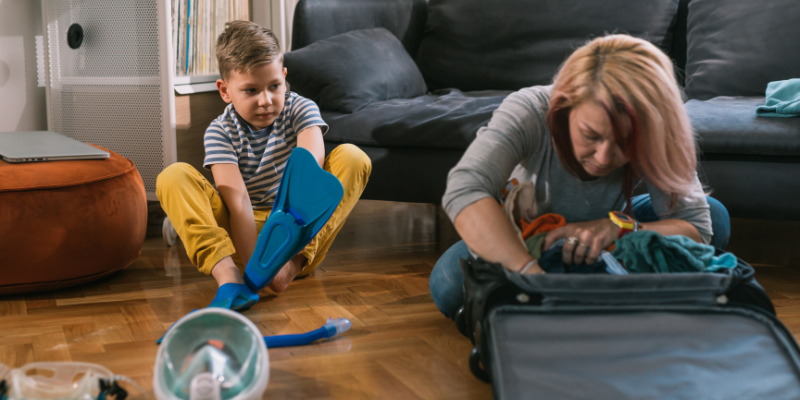
Pediatric Incontinence Day Trip Packing Checklist
The right travel checklist for a child with special needs will depend on the length of the outing, your child’s routine, and the type of product they use.
For a day trip, consider packing:
- Diapers or pull-ups
- One or two extra products beyond the expected number of changes
- Wipes
- Disposal bags
- A complete change of clothes
- Extra underwear, if applicable
- A disposable underpad or chux
- Hand sanitizer
- Any skin products your child regularly uses
- A wet bag or another odor-containing storage option
- Snacks and water
Start with this list, then personalize it based on what has worked well during previous outings.
Diapers or Pull-Ups
Pack the product your child normally wears during the day. If your child uses different products for active time, long car rides, or overnight protection, consider the day’s schedule before deciding what goes in the bag.
Families looking for diapers or pull-ups for older children should pay particular attention to fit. A product that slides, pinches, bunches, or gaps at the legs can become uncomfortable during a day with more walking, sitting, or movement.
Related Reading: How to Help Your Child Stay Comfortable in Diapers or Pull-Ups All Day
Extra Products
Bring enough products for the changes you expect, followed by one or two additional backups. If the outing involves unpredictable travel, limited restroom access, or an activity your child has not tried before, packing another extra may be useful.
Wipes
Pack enough wipes for several changes, including cleanup after a bowel movement or leak. A travel-size package takes up less room, but check that it contains enough wipes for the full outing before placing it in the bag.
Disposal Bags
Opaque disposal bags can help contain used products, wipes, odors, and wet clothing when a waste bin is not immediately available. Individual bags also make it easier to keep clean and used supplies separate inside the same larger bag.
A Complete Change of Clothing
Pack a shirt, bottoms, underwear, and socks rather than only replacing the item most likely to get wet. Leaks can spread differently depending on whether your child is sitting, walking, or riding in a vehicle.
Choose clothing that is easy to remove and put back on in a small restroom. Complicated buttons, tight waistbands, and layered outfits may make a rushed change more difficult.
Underpads or Chux
A disposable underpad can provide a protective barrier on an appropriate changing surface. It can also help protect a vehicle seat during the ride home if clothing or supplies become wet.
Hand-Cleaning Supplies
Pack hand sanitizer for situations where soap and water are not immediately available. After a change, wash your hands and your child’s hands with soap and water as soon as you can.
For additional hygiene guidance, review the CDC’s healthy diaper-changing steps.
Skin Products Your Child Already Uses
If a healthcare professional has recommended a barrier cream or another skin-protective product, bring a small amount in a travel container or sealed pouch.
Avoid trying an unfamiliar product for the first time during a long outing when you cannot easily monitor how your child’s skin responds.
Odor-Control Supplies
A sealable wet bag, disposal bags, or another product already used safely by your family can help contain odors. Avoid heavily fragranced products if your child has sensitive skin or sensory sensitivities.
Food and Water
Snacks and a water bottle may not be incontinence products, but they are still useful parts of a day-trip bag.
Follow any hydration or dietary guidance provided by your child’s healthcare team rather than intentionally limiting fluids to avoid changes.
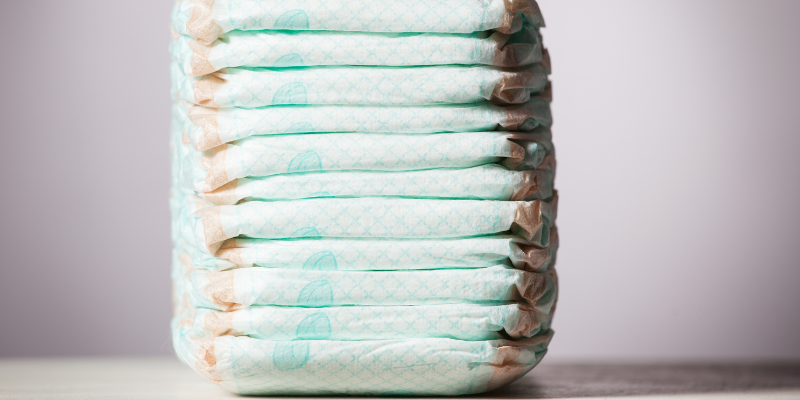
How Many Diapers or Pull-Ups Should You Pack for a Day Trip?
There is no single number that works for every child. Begin with the number of products your child typically uses during the same period at home. Add one or two backups based on the length and predictability of the outing.
The amounts below are suggested starting points, not a fixed changing schedule. Pack according to your child’s usual routine, medical needs, absorbency needs, and the likelihood of delays.
| Outing Type | Suggested Starting Point |
| Two-hour outing | The product your child is wearing, plus 1–2 backups, wipes, and a disposal bag |
| Half-day outing | Expected changes for that period, plus 2 backups and one complete change of clothes |
| Full-day outing | Your child’s usual full-day supply, plus 2–3 backups, wipes, underpads, and a complete outfit |
| Theme park or festival | Full-day supply, 2–3 backups, extra disposal bags, and an additional clothing option if water activities are planned |
| Day-long travel | Full-day supply, at least 2–3 backups, and a separate emergency change kit kept within easy reach |
Consider packing more if your child has recently had digestive changes, the trip involves a long drive, or you may not have easy access to a store that carries the correct product and size.
Avoid packing every product in a suitcase or vehicle trunk. Keep enough supplies for at least one full change where you can reach them without unloading other bags.
How to Pack Incontinence Supplies Discreetly
Discreet packing does not require a special medical bag. The best option is usually one that suits your child’s age, holds the necessary supplies, and does not take too long to organize.
Use a Familiar Backpack or Family Travel Bag
A standard backpack, tote, or family travel bag can hold supplies without drawing attention to what is inside. Older children may prefer a bag that looks like the ones their peers carry.
If your child carries their own bag, choose an amount they can manage comfortably. The remaining supplies can stay with the caregiver.
Group Supplies into Change Kits
Rather than placing everything loosely in one compartment, create small change kits containing:
- One diaper or pull-up
- Wipes
- One disposal bag
- A disposable underpad
- Any regularly used skin product
When your child needs a change, you can take one pouch into the restroom instead of carrying the entire bag.
Separate Clean and Used Items
Use clearly different pouches for clean supplies and used clothing. A washable wet bag or sealed plastic bag can prevent damp items from reaching the rest of the bag.
Keep extra clothing near the top. If there is a significant leak, you will not want to sort through snacks, toys, and clean products to find a pair of shorts.
Keep an Emergency Kit in the Vehicle
A vehicle kit can help when an outing lasts longer than expected. Rotate the kit regularly, check that the clothing still fits, and follow product instructions for proper storage.
Let Your Child Help Choose the Setup
When age and ability allow, ask your child what bag or pouch feels comfortable to carry. Some children prefer knowing exactly where their supplies are. Others would rather have a caregiver manage the bag.
Either approach can work. Discretion should protect your child’s privacy without making the supplies feel shameful. They are simply part of the care your child needs to participate in the day.

5 Things to Do Before Leaving Home
Quick Tips
- Start with a fresh, properly fitting diaper or pull-up.
- Confirm that the backup clothing still fits.
- Count the products in the bag instead of assuming it was restocked.
- Look up restroom, family-care, or accessible changing locations at the destination.
- Place one complete change kit where you can reach it quickly.
How to Help Prevent Leaks During a Day Trip
Even a well-packed bag is easier to manage when the product your child is wearing matches the day’s activities.
Begin with a Fresh Product
Changing shortly before leaving gives your child a more comfortable starting point and makes it easier to estimate when the next check may be needed.
Use the Right Absorbency for the Activity
More absorbency is not automatically better. A heavier product may feel bulky or warm if it exceeds your child’s needs, while too little protection can increase the chance of leaks.
Consider how long your child will be away from a restroom, how active they will be, and whether they will spend an extended period sitting.
If you are uncertain which product or absorbency level is appropriate, speak with your child’s healthcare professional or supply provider.
Build Checks into Natural Transitions
You do not have to interrupt the outing constantly. Check at moments that are already built into the day, such as:
- Before getting in the car
- After lunch
- Before entering a long line
- Before a show, game, or appointment
- Before starting the trip home
These transitions give you a chance to address moisture, shifting, or discomfort before it becomes a larger issue.
Reassess Repeated Leaks
If leaks happen frequently even with timely changes, look at fit as well as absorbency. Gapping at the legs, a sagging waistband, deep marks, or constant bunching may indicate that the product’s size or shape is not working well for your child.
UroStat’s guide to pediatric incontinence supplies includes information about diapers, pull-ups, and youth-sized options for eligible children.
Related Reading: Bigger Diapers for Older Kids and Teens (Ages 5–21)

Summer Day Trip Tips for Children Who Use Diapers or Pull-Ups
Summer outings often involve more heat, walking, and schedule changes. A few adjustments can help your child stay more comfortable.
Amusement Parks
Review the park map before arriving and identify family restrooms, first-aid stations, or other appropriate changing spaces. Do not assume every restroom will have a changing surface suitable for an older child.
Keep the first change kit in a backpack rather than a locker. If you store the remaining products somewhere else, make sure you can reach them without crossing the entire park.
Festivals and Outdoor Events
Portable restrooms may not offer enough room or privacy for changing. If possible, contact the event venue in advance to ask about accessible or family restroom options.
A disposable underpad, wet bag, and easy-on clothing can be especially helpful when facilities are limited.
Outdoor Sports
Movement can cause a diaper or pull-up to shift. Check the fit before play begins and again afterward.
Pack a fresh product and change of clothing for the ride home, particularly if your child will be hot or perspiring.
Pool and Water Activities
Standard diapers and pull-ups are not designed to function as swim diapers. Follow the facility’s rules and use an appropriate swim product when needed.
Swim diapers are not leakproof and should be checked frequently and changed in an appropriate changing area away from the pool. Pack a regular dry diaper or pull-up for immediately after swimming.
Heat and Moisture
Hot weather can make products feel warmer and may increase moisture against the skin. Offer changes based on your child’s needs and use breathable, loose-fitting clothing when appropriate.
If your child develops persistent redness, broken skin, pain, swelling, or a rash that does not improve, contact their healthcare professional.
Hydration
Do not restrict your child’s water simply to reduce urination unless their healthcare team has provided specific medical instructions.
Bring a water bottle and follow the hydration plan that is appropriate for your child.
How to Manage an Incontinence Accident in Public
Even careful preparation cannot prevent every leak. When one happens, focus on what your child needs in that moment rather than the disruption to the schedule.
- Move to a private location and respond calmly. Use neutral language such as, “Let’s get you comfortable,” instead of discussing the accident where others can hear.
- Remove wet clothing, clean and dry the skin gently, and put on a fresh product. Place used items in the appropriate disposal bag or wet bag.
- If the available changing space is not workable, return to your vehicle or another private location when it is safe and appropriate to do so.
- After the change, check whether you need to restock the accessible kit before continuing. If your child is upset or overstimulated, a short break may be more helpful than immediately returning to the activity.
Related Reading: 8 Back-to-School Tips to Help Kids with Special Needs Manage Incontinence Confidently
Get Pediatric Incontinence Supplies Delivered to Your Door
Keeping a travel bag stocked is easier when the supplies your child needs are already available at home.
UroStat Healthcare’s pediatric incontinence program helps eligible families access products such as diapers, pull-ups, wipes, and underpads through Medicaid. UroStat verifies coverage, works with the child’s healthcare provider, helps manage required paperwork, and coordinates recurring home delivery. Eligibility, available products, and out-of-pocket costs depend on the child’s medical needs, insurance plan, location, and applicable program requirements.
A dedicated Care Specialist can help families understand the enrollment process and available product options. If your child’s current products do not fit well or keep up with their routine, UroStat can help you explore options suited to their size, mobility, and absorbency needs.
Check your child’s eligibility for pediatric incontinence supplies.
Make Your Day-Trip Kit Work for Your Family
Preparing to leave home with pediatric incontinence supplies becomes easier when you have a repeatable system. Pack around your child’s normal routine, include a few backups, organize individual change kits, and check restroom options before you arrive.
Your packing system will probably change after the first few outings. Pay attention to what you used, what you missed, and what could stay home next time.
When reliable supplies are already arriving at your door, preparing for the next family visit, appointment, or summer outing can feel less rushed.
Check your eligibility for UroStat’s pediatric incontinence program and connect with a Care Specialist for help getting started.
Pediatric Incontinence Day Trip FAQs
How many diapers should I bring for a day trip?
Pack the number your child would normally use during the same period at home, then add one or two extras. Consider additional backups for long drives, unpredictable schedules, limited restroom access, or recent changes in your child’s routine.
The right number depends on your child’s needs rather than the destination alone.
What should I keep in an emergency change kit?
Include at least one diaper or pull-up, wipes, a disposal bag, a disposable underpad, and a complete change of clothing.
Add hand sanitizer and any skin product your child regularly uses. Store everything together in a pouch so the full kit is ready when needed.
How do I manage an accident in public?
Move to a private changing space, speak calmly, and focus on helping your child feel clean and comfortable. Use an underpad when appropriate, place wet clothing in a sealed bag, and dispose of used products properly.
After the change, restock your accessible kit before continuing the outing.
How can I travel discreetly with incontinence supplies?
Use a standard backpack or family travel bag and divide the supplies into smaller pouches. Keep clean products separate from used clothing and carry one complete change kit into the restroom instead of taking the full bag.
Choose a setup that protects your child’s privacy without treating their supplies as something shameful.
Can Medicaid cover pediatric incontinence products?
Medicaid may cover medically necessary pediatric incontinence products for eligible children, but requirements vary by state and plan.
Coverage may require a qualifying medical need, documentation from a healthcare provider, age eligibility, and plan authorization. UroStat can verify coverage and help families understand the documentation required before supplies are shipped.