
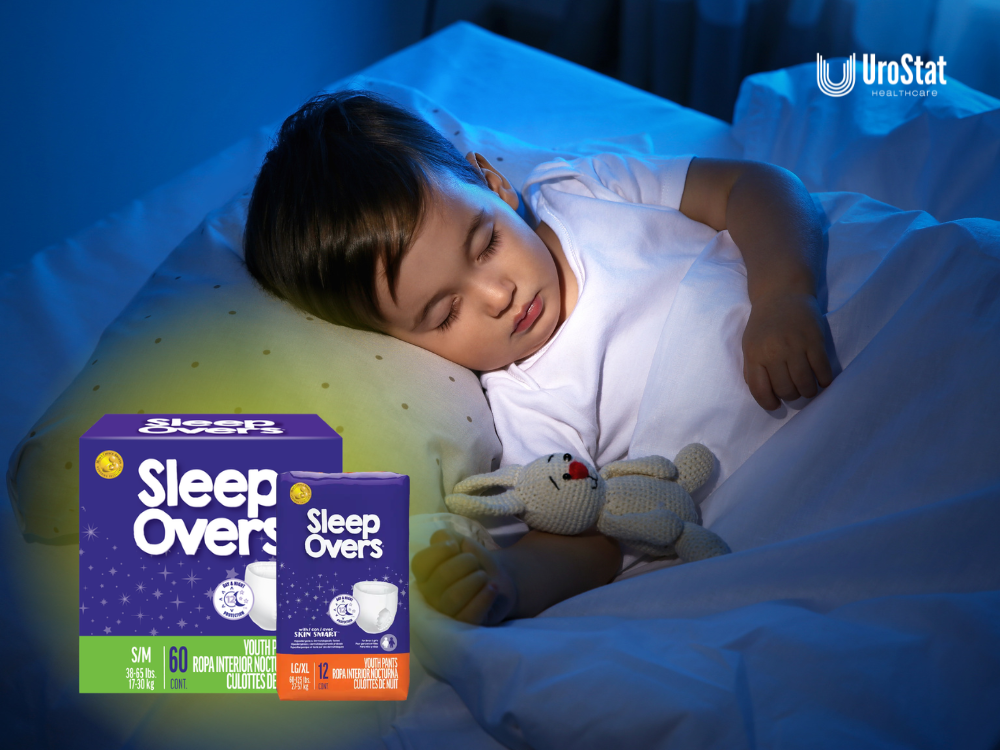
If you’re changing wet sheets every morning or helping your child wake up dry has become part of your daily routine, you’re not alone.
While many children outgrow bedwetting during their early years, others continue to experience nighttime accidents because of an underlying medical condition. For these families, overnight diapers and pull-ups aren’t simply a convenience. They’re an important part of staying comfortable, sleeping better, and protecting bedding overnight.
The good news is that many insurance plans, including Medicaid in qualifying states, may cover overnight diapers and pull-ups when they’re considered medically necessary. Coverage depends on your child’s diagnosis, insurance plan, and documentation from their healthcare provider.
If you’re just beginning your journey, we are here to help.
Why Some Children Need Overnight Diapers or Pull-ups
Children with certain medical conditions may have difficulty staying dry throughout the night, even if they’re making progress during the day.
Some qualifying diagnoses may include:
- Autism Spectrum Disorder (ASD)
- Spina Bifida
- Neurogenic Bladder
- Cerebral Palsy
- Developmental Delay
- Down Syndrome
- Fetal Alcohol Syndrome
- Overactive Bladder
Every child develops differently, and needing overnight protection doesn’t mean your child isn’t making progress. Many families experience delayed potty training or nighttime incontinence as part of their child’s diagnosis.
If your child has autism, you may also find these resources helpful:
Read Next: How to Get Free Diapers and Pull-Ups for Children with Autism
Does Insurance Cover Overnight Diapers or Pull-ups?
The short answer is: it depends.
Insurance coverage varies based on several factors, including:
- Your child’s insurance plan
- A physician-documented qualifying medical diagnosis
- Medical necessity
- Your state’s Medicaid guidelines (if applicable)
A diagnosis alone does not automatically qualify a child for coverage. Your healthcare provider must determine that overnight incontinence supplies are medically necessary and complete any required documentation for your insurance provider.
At UroStat, our team helps verify your insurance benefits, coordinate with your healthcare provider, and guide you through the enrollment process.
Why Overnight Protection Matters
Overnight diapers are specifically designed to provide greater absorbency than standard daytime products.
The right overnight protection can help:
- Reduce nighttime leaks
- Keep pajamas and bedding drier
- Protect mattresses
- Support healthier skin
- Improve sleep for both children and caregivers
- Provide greater confidence during bedtime routines
For older children and teens, choosing the right size is just as important as choosing the right absorbency.
If your child has outgrown traditional diaper sizes, read:
Related Reading: Bigger Diapers for Older Kids and Teens (Ages 5–21)
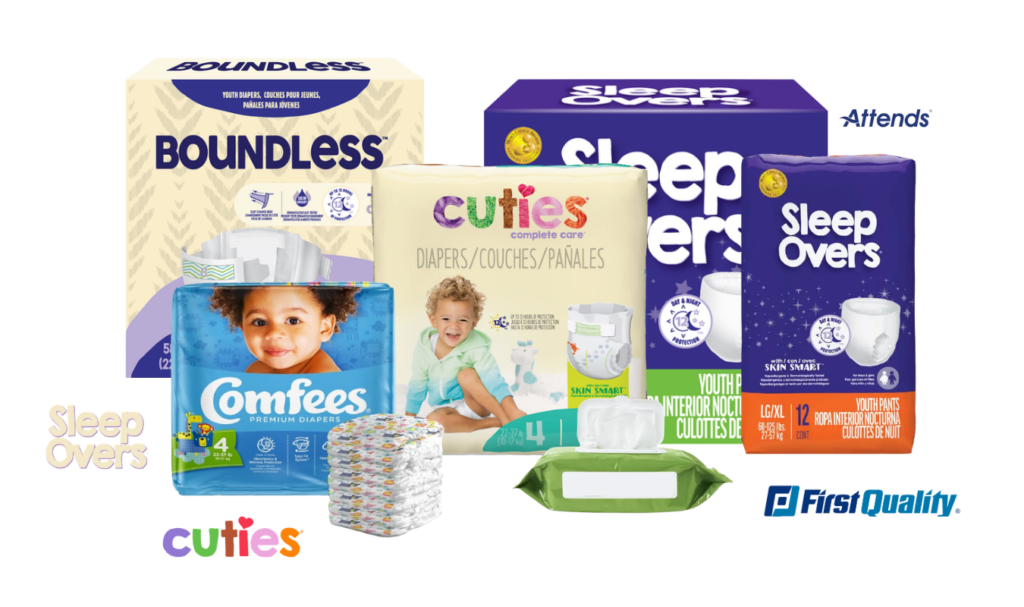
How to Get Overnight Diapers or Pull-Ups Through Insurance
Getting started is easier than many families expect.
Step 1: Complete an Eligibility Form
Provide basic information about your child and your insurance coverage.
Step 2: Insurance Verification
Our team reviews your insurance benefits and determines whether your plan may cover pediatric incontinence supplies.
Step 3: Provider Documentation
If needed, we’ll work with your child’s healthcare provider to obtain the required prescription and medical documentation.
Step 4: Monthly Deliveries
Once approved, your supplies can be shipped directly to your home, and we’ll help you stay on track with ongoing monthly orders.
Frequently Asked Questions
Are overnight diapers different from regular diapers?
Yes. Overnight diapers are designed with increased absorbency to help manage nighttime accidents and reduce leaks while your child sleeps.
Does autism automatically qualify my child for overnight diapers?
No. A diagnosis alone does not guarantee insurance coverage. Eligibility depends on your child’s insurance plan, medical necessity, and documentation from their healthcare provider.
At what age can children receive insurance-covered diapers?
Age requirements vary by state and insurance plan. Many Medicaid programs require children to be at least age 3, while some states begin coverage at age 2. UroStat can help verify your child’s specific eligibility.
Can UroStat check my insurance?
Yes. Our team can verify your benefits, explain your coverage, and help determine whether your child may qualify before beginning the enrollment process.
We’re Here to Help
Managing nighttime incontinence can feel overwhelming, but you don’t have to navigate it alone.
Whether your child has autism, spina bifida, cerebral palsy, neurogenic bladder, or another qualifying diagnosis, UroStat is here to help families understand their options and navigate the insurance process with confidence.
If you’re ready to see whether your child’s overnight diapers or pull-ups may be covered, start here: