
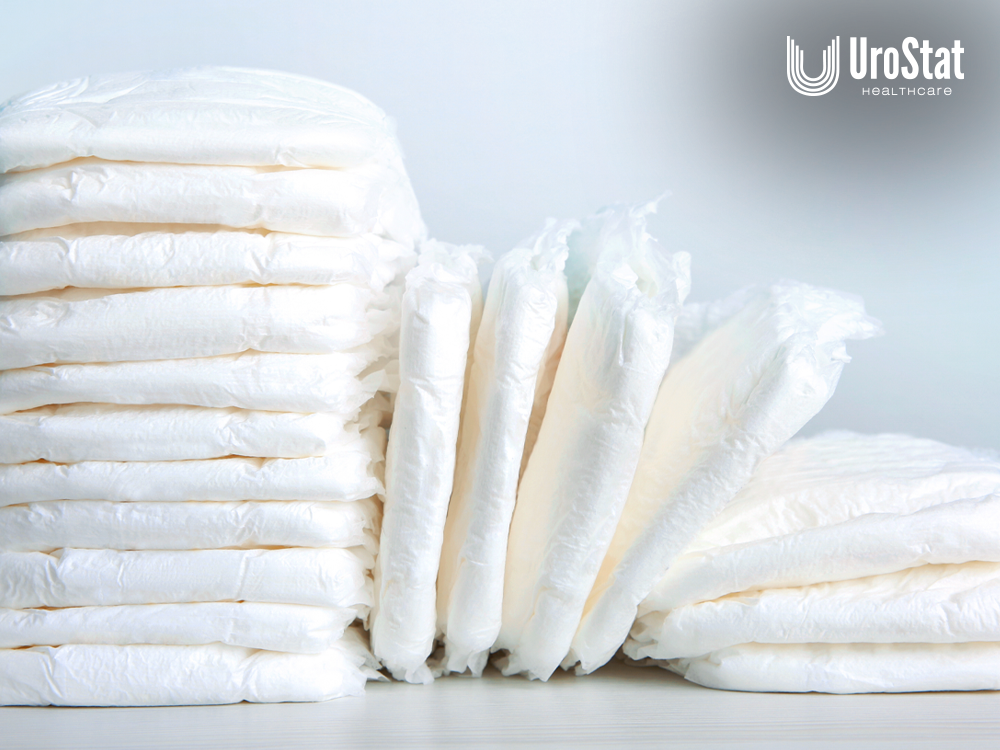
Diapers aren’t cheap, and when your child needs them longer than expected, it adds up quickly. What most parents don’t expect is how confusing it can be to figure out if there’s any help available.
You might hear that insurance covers supplies… or that it doesn’t. Maybe you’ve tried looking it up and ended up with more questions than answers.
The good news is that there are programs, including Medicaid in many cases, that may help cover diapers and pull-ups for children with autism. The challenge is knowing where to start and how to navigate the process.
This guide walks through it in a way that actually makes sense, so you can focus less on paperwork and more on your child.
Important: UroStat currently serves families in Georgia, Alabama, Mississippi, Kentucky, Ohio, and Pennsylvania. If you’re in another state, we’ll share resources to help you find coverage in your area.

Am I In the Right Place? Quick Eligibility Check
Before diving in, here’s a quick checklist to see if you’re likely to qualify for UroStat’s services:
- Your child is the right age:
- In Georgia: ages 2-21
- In Alabama: ages 3-20
- In Mississippi, Kentucky, Ohio, or Pennsylvania: age 3 or older
- Your child has a diagnosed developmental or medical condition such as autism, Down syndrome, cerebral palsy, spina bifida, or another condition causing incontinence
- You live in Georgia, Alabama, Mississippi, Kentucky, Ohio, or Pennsylvania
- Your child has Medicaid (UroStat works with Amerigroup, Caresource, Peach State Health Plan, Humana, Molina, Aetna Better Health, United Healthcare, and other Medicaid plans)
- Your child has been seen by their doctor in the last 6 months
If you checked all the boxes: You’re likely eligible for UroStat’s services.
If you’re in another state or don’t meet these requirements: Scroll down to “What If I Don’t Qualify?” for alternative resources and options.
Why Some Children with Autism May Need Diapers Longer
Every child develops differently, and for many children with autism, potty training doesn’t follow a typical timeline.
There are a few common reasons for this:
- Sensory sensitivities that make bathrooms, toilets, or certain clothing uncomfortable
- Communication challenges that make it harder to recognize or express the need to go
- Developmental delays that affect timing and consistency
- Bladder or bowel regulation differences
For some families, this means using diapers or pull-ups well beyond toddler years. And while that’s more common than many people realize, it can also become a significant ongoing expense—often $150-300 per month or more.
That’s why understanding coverage options can make a real difference.

Can You Get Free Diapers or Pull-Ups Through Insurance?
Does Medicaid Cover Diapers for Children?
In many states, Medicaid may cover diapers or pull-ups for children with medical needs, including autism, when certain requirements are met.
Typically, this includes:
- A documented medical need (such as incontinence related to a diagnosis like autism, developmental delay, or neurological condition)
- A prescription or letter of medical necessity from your child’s healthcare provider
- Enrollment in a Medicaid plan that includes incontinence supply benefits
- Meeting age requirements,which vary by state
Age requirements by state (for Urostat’s service area):
- Georgia: 2-21 years old
- Alabama: 3-20 years old
- Mississippi, Kentucky, Ohio, Pennsylvania: 3 years and older
Important note: UroStat requires that your child has a cognitive or physical special needs diagnosis from a physician. This is necessary to establish medical necessity for coverage.
What About Private Insurance?
Private insurance is less predictable when it comes to covering pediatric incontinence supplies.
Some plans may:
- Offer partial coverage
- Reimburse certain supplies
- Require additional documentation
Others may not cover diapers at all. It often depends on the provider and policy details. UroStat primarily works with Medicaid plans, as these provide the most consistent coverage for pediatric incontinence supplies.
What Counts as “Medical Necessity”?
This is one of the most important parts of getting approved.
“Medical necessity” usually means a provider has documented that your child needs incontinence supplies due to a condition such as:
- Autism (when it impacts bladder or bowel control)
- Developmental delays
- Neurogenic bladder
- Down syndrome
- Cerebral palsy
- Spina bifida
- Other related diagnoses
What your doctor needs to document: Your child’s physician will need to complete a simple form (usually taking 5-10 minutes) confirming your child’s diagnosis and ongoing need for incontinence supplies. UroStat provides this form and works directly with your provider to make the process as easy as possible.
Without this documentation, coverage is unlikely, even if your child clearly needs support.

How to Qualify for Free Diapers or Pull-Ups
If you’re trying to figure out how to actually get started, here’s a simple breakdown of the process.
Step 1: Talk to Your Child’s Doctor
Start with your child’s healthcare provider.
Explain:
- Your child’s ongoing need for diapers or pull-ups
- Any challenges with bladder or bowel control
- Your child’s diagnosis (autism, developmental delay, etc.)
Ask for:
- A prescription or letter of medical necessity
- Documentation supporting the medical need for incontinence supplies
If your child has been seen by their doctor in the last 6 months, this process is usually straightforward. If it’s been longer, schedule a visit to update their records.
Step 2: Verify Insurance Coverage
Next, confirm whether your Medicaid plan may cover supplies. This is where many parents get stuck, as policies can be hard to interpret, and requirements aren’t always clear.
Good news: If you’re working with UroStat, this step is handled for you. Our care specialists verify your coverage and explain your benefits in plain language before you commit to anything.
Step 3: Submit Required Paperwork
This step may include:
- Prior authorization forms (if required by your plan)
- Medical documentation from your provider
- Provider verification
UroStat handles all of this paperwork on your behalf and coordinates directly with your child’s doctor. You don’t have to navigate insurance forms or medical billing codes.
Delays often happen when paperwork is incomplete or missing details—that’s why having a dedicated care team managing this step makes such a difference.
Step 4: Choose Your Supplies
Not all products are the same. You’ll want supplies that:
- Work with your insurance coverage
- Fit your child properly and comfortably
- Meet your child’s absorbency needs
- Are appropriate for their age and activity level
Brands UroStat carries: Cuties, Comfees, Prevail, Tranquility, McKesson, and other trusted brands in a full range of sizes and absorbency levels, from size 3 diapers through youth pull-ups for older children and teens.
Your UroStat care specialist will discuss options with you based on your child’s specific needs, including any sensory sensitivities.
Step 5: Set Up Ongoing Deliveries
Once approved, most plans allow for monthly shipments of supplies.
Typical monthly quantities: Most Medicaid plans approve 120-180 diapers or pull-ups per month, based on 4-6 changes per day. Your child’s doctor determines the exact amount based on their individual needs. Some children may qualify for more if medically necessary.
What this means:
- No last-minute store runs
- Consistent access to what your child needs
- Less day-to-day stress
- Supplies delivered discreetly to your home (or split between home and school if needed)
Timeline: From your first contact with UroStat to receiving your first delivery typically takes 2-3 weeks, depending on how quickly we receive documentation from your child’s doctor and authorization from your insurance plan.
Important: After your first shipment, you’ll need to complete a Welcome Packet. This gathers compliance information required by Medicaid and must be submitted before your second shipment can be released.

How UroStat Helps Make This Process Easier
UroStat Healthcare handles the complicated parts so you don’t have to:
- Verifies your coverage and explains benefits in plain language
- Coordinates directly with your child’s doctor to get required documentation
- Submits all paperwork and prior authorizations on your behalf
- Helps you choose the right products for your child’s needs (including sensory sensitivities)
- Delivers supplies monthly to your home or school—discreetly, at no cost
- Provides a dedicated care specialist you can contact anytime
What Happens When You Reach Out
When you contact UroStat:
- You’ll speak with a real (not a call center or automated system)
- They’ll review your coverage and situation
- They’ll explain your options in plain language—no insurance jargon
- They’ll guide you through next steps
- They’ll answer all your questions before you commit to anything
No pressure. Just help.
Contact UroStat
- Phone: 888-845-8698 (Monday – Friday, 8 a.m. – 5 p.m. ET) – Se habla español
- Email: service@urostathealthcare.com
- Online: Check Your Eligibility Form
What If I Don’t Qualify?
If you don’t qualify for UroStat’s services—whether due to your state, your child’s age, or your insurance type—you’re not out of options.
If You’re in a Different State
- Contact your state’s Medicaid office and ask about EPSDT (Early and Periodic Screening, Diagnosis, and Treatment) benefits for incontinence supplies
- Search for local DME suppliers who accept Medicaid in your state
- Ask your child’s doctor if they work with any specific suppliers they recommend
If Your Child Is Under the Age Requirement
- Unfortunately, Medicaid age requirements cannot be waived, even with medical necessity
- In the meantime, explore local diaper banks through the National Diaper Bank Network
- Contact nonprofits serving the autism community (many have emergency assistance funds):
- Local chapters of The Arc
- Autism societies and family support centers
- State disability waiver programs
- Reach out to UroStat 2-3 months before your child’s qualifying birthday and we’ll help you get paperwork started so you’re approved as soon as they’re eligible
If You Have Private Insurance Instead of Medicaid
- Call the customer service number on your insurance card and ask about “durable medical equipment” or “incontinence supplies” coverage
- Ask your child’s doctor to submit a letter of medical necessity to your insurance company
- Some private plans do cover these supplies—it varies widely by carrier and plan type
If You Were Previously Denied
- Denials often happen due to incomplete paperwork, not actual ineligibility
- Your child’s doctor may need to resubmit with more specific diagnosis codes or detailed medical necessity language
- UroStat can help coordinate appeals and resubmissions if you’re working with us
- Try again in 6-12 months if your child’s needs or diagnosis has been updated
Additional Resources
- National Diaper Bank Network – Find local diaper banks and assistance programs
- Medicaid.gov – Contact your state Medicaid office
- The Arc – Find your local chapter for family support resources
- Autism Speaks Resource Guide – State-by-state resources for autism families

Frequently Asked Questions About Free Diapers for Children with Autism
Can I really get free diapers for my child with autism?
In many cases, yes—especially through Medicaid when medical necessity is documented and your child meets age requirements. If you live in Georgia, Alabama, Mississippi, Kentucky, Ohio, or Pennsylvania and your child has Medicaid, UroStat can help you navigate the process.
What if my child is under the age requirement?
Unfortunately, Medicaid age requirements cannot be waived, even with medical necessity documentation. We recommend exploring local diaper banks and nonprofit assistance in the meantime. Contact us 2-3 months before your child’s qualifying birthday and we’ll help you get set up so approval happens as soon as they’re eligible.
How many diapers or pull-ups are covered each month?
Most Medicaid plans approve 120-180 diapers or pull-ups per month, based on 4-6 changes per day. Your child’s healthcare provider determines the exact quantity based on your child’s individual needs. Some children may qualify for more if medically necessary (for example, children who are heavy wetters or need overnight protection).
Can supplies be delivered to my home?
Yes. UroStat delivers monthly supplies discreetly to your home at no shipping cost. We can also coordinate split shipments (for example, half to your home and half to your child’s school) if that’s more convenient.
Can supplies be sent to my child’s school?
Yes. Many families have supplies delivered to school if their child changes there during the day. Just let your care specialist know and we’ll coordinate delivery to multiple addresses.
Do I have to complete a Welcome Packet?
Yes. After your first shipment, you’ll receive a Welcome Packet that gathers compliance information required by Medicaid. This must be completed before your second shipment can be released. The packet ensures UroStat stays in compliance with Medicaid regulations and protects your ongoing coverage.
What if my child’s needs change?
Contact your UroStat care specialist anytime at 888-845-8698 or service@urostathealthcare.com. We can adjust product types, sizes, or quantities—we just need updated documentation from your child’s provider if the change requires a new prescription.
What if I run out of supplies before my next delivery?
Contact us immediately. While we can’t always send additional supplies mid-month (it depends on your plan’s coverage limits), we’ll work with you to see what’s possible and help you adjust future orders if the current quantity isn’t enough.
Does Medicaid have to be my child’s primary insurance?
No. Incontinence products can be covered for beneficiaries who have Medicaid as their primary or secondary insurance. UroStat can bill either way.
What Medicaid plans does UroStat work with?
UroStat works with many Medicaid managed care plans, including:
- Amerigroup
- Caresource
- Peach State Health Plan
- Humana
- Molina
- Aetna Better Health
- United Healthcare
- And others
When you contact us, we’ll verify whether we’re in-network with your specific plan.
Related UroStat Resources
- Pediatric Incontinence Information
- Autism and Potty Training: Complete Guide
- How UroStat Works
- Frequently Asked Questions
- Customer Success Stories
Need Help Getting Covered Supplies?
If you’re trying to figure out coverage or don’t know where to start, UroStat Healthcare can help.
Our team works with families every day to navigate Medicaid and insurance and get the supplies they need, without the stress. Reach out to connect with a care specialist who can review your coverage, explain your options, and help you take the next step.
Contact UroStat:
- Call: 888-845-8698 (Monday – Friday, 8 a.m. – 5 p.m. ET) – Se habla español
- Email: service@urostathealthcare.com
- Online: Check Your Eligibility
Disclaimer: This article is for informational purposes only and does not constitute medical advice. Coverage availability varies by state, insurance plan, and individual circumstances. Always consult with your child’s healthcare provider regarding medical necessity and appropriate care. UroStat Healthcare is a durable medical equipment (DME) supplier that works with Medicaid and other insurance plans to provide covered supplies to eligible families.