

Maybe you’ve started scouting bathroom locations before you leave the house. Maybe you’re getting up more at night, or you’ve started wearing a pad just in case. These changes often happen so gradually that it’s hard to tell what’s normal aging and what’s worth bringing up to a doctor.
Some bladder changes are common as we get older. Others can point to a treatable medical issue. The key is knowing the difference.

How the Bladder Changes with Age
Like the rest of the body, the bladder changes over time.
As we age, it’s common for:
- Bladder capacity to decrease slightly, which can mean more frequent bathroom trips
- Bladder and pelvic floor muscles to weaken, making it harder to hold urine or fully empty the bladder
- Nerve signals to change, causing urgency or less warning time
- The bladder to become more sensitive, so you may feel the urge sooner
Hormonal changes, medications, past pregnancies, surgeries, constipation, mobility issues, and conditions like diabetes can all add to these changes.
Here’s the important part: common doesn’t mean untreatable. Many bladder issues can be improved with the right support.
What’s Usually Considered Normal
Some bladder changes are more common with age, including:
- Urinating a little more often than you used to
- Waking up once or twice at night to use the bathroom
- A weaker urine stream, especially in men with prostate enlargement
- Feeling a stronger or more sudden urge to go
- Small leaks when coughing, sneezing, or laughing
Even if these changes are common, you do not have to simply live with them if they’re affecting your sleep, confidence, or daily routine.
What’s Not Normal
Some symptoms should not be brushed off as “just aging.”
Talk to your doctor if you notice:
- A sudden change in bladder control
- Pain or burning when urinating
- Blood in the urine
- Fever, chills, or back pain
- Trouble starting urination or emptying your bladder
- Very frequent urination, like every hour
- Large or worsening leaks
- Repeated urinary tract infections
These symptoms may point to something treatable, and it’s better to catch issues early.

Common Causes of Bladder Problems in Older Adults
Bladder issues can happen for different reasons.
In Men
- Benign prostatic hyperplasia (BPH), or enlarged prostate
- Prostate treatment or surgery
In Women
- Menopause, which can affect bladder and pelvic floor support
- Pelvic floor weakness after childbirth
- Pelvic organ prolapse
In Both
- Urinary tract infections
- Diabetes
- Neurological conditions like Parkinson’s, stroke, MS, or dementia
- Constipation
- Obesity
- Mobility challenges that make it harder to get to the bathroom in time
Some medications can also play a role, including diuretics, sedatives, antidepressants, and antihistamines.
When to Talk to Your Healthcare Provider
If bladder issues are affecting your sleep, your confidence, or your routine, that is reason enough to bring it up.
Your provider may ask about:
- How often you urinate
- Leakage or urgency
- What and how much you drink
- Medications you take
- When symptoms started
A simple bladder diary for a few days can help. Write down when you drink, when you urinate, and any accidents or urgency. It gives your provider a clearer picture of what’s going on.
Practical Ways to Manage Bladder Leakage with Dignity
While you work with your provider, a few small changes can help make daily life easier.
Try Bladder-Friendly Habits
- Use the bathroom on a regular schedule
- Limit caffeine and alcohol if they make symptoms worse
- Spread fluids out through the day
- Cut back on fluids right before bed
- Treat constipation if it’s an issue
Support Your Pelvic Floor
Pelvic floor exercises can help many people, especially with stress incontinence. If you’re unsure how to do them correctly, pelvic floor physical therapy can be a big help.
Make Everyday Life Easier
- Keep bathroom paths clear and well lit
- Wear clothing that’s easy to remove
- Use nightlights if nighttime trips are difficult
- Plan ahead when leaving home
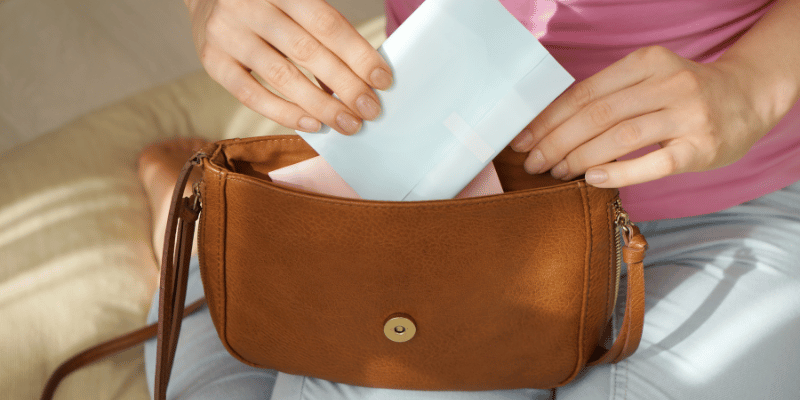
Products That Help You Stay Comfortable and Confident
Using protective products is not giving up. It’s a practical way to protect your skin, reduce stress, and stay active.
Helpful options include:
- Pads and liners
- Protective underwear
- Briefs for heavier leakage
- Bed pads for nighttime protection
- Specialty products for men or sensitive skin
Many of these supplies may be covered by Medicare, Medicaid, or private insurance with the right documentation.
When Catheters May Be Part of the Conversation
If your bladder does not empty completely, your provider may also recommend a catheter.
This can sound intimidating at first, but for many people, it actually relieves discomfort and prevents complications like urinary tract infections.
Catheters may be used when:
- The bladder isn’t emptying completely
- There are certain neurological conditions affecting bladder control
- Someone is recovering from surgery
- Other treatments haven’t been effective
There are different types, including intermittent catheters (used as needed throughout the day) and indwelling catheters (used for longer-term management).
If a catheter is recommended, your healthcare team will guide you on what’s appropriate — and having the right supplies and support makes a big difference. Many catheter supplies, like incontinence products, may also be covered by insurance depending on your plan and medical needs.

How UroStat Can Help
UroStat Healthcare helps older adults and caregivers get the supplies they need without the usual stress.
We help by:
- Verifying insurance coverage
- Explaining benefits in plain language
- Coordinating with healthcare providers
- Shipping supplies discreetly to your home
- Helping you find products that fit your needs
When you reach out, you’ll speak with a real care specialist who can walk you through coverage, answer your questions, and help you take the next step.
Frequently Asked Questions About Bladder Changes and Aging
Is bladder leakage a normal part of aging?
Some bladder changes are common with age, but significant leakage should not be ignored. Many causes are treatable.
When should I see a doctor?
If symptoms are sudden, painful, worsening, or affecting your daily life, it’s time to bring them up.
Can bladder problems get better?
Yes. Many people improve with pelvic floor therapy, lifestyle changes, medication, or the right supplies.
Does insurance cover incontinence supplies?
Often, yes. Medicare, Medicaid, and many private plans may cover supplies when medically necessary.
Can medications make bladder problems worse?
Yes. Some medications can increase urgency, leakage, or retention. Talk to your provider before making any changes.
Moving Forward with Confidence
Bladder changes are common as we age, but they should not be something you feel you have to hide or just put up with. If symptoms are affecting your quality of life, there are ways to manage them — and often ways to improve them.
If you need help understanding coverage or getting the right supplies, UroStat Healthcare is here to make the process easier.
Disclaimer: This article is for informational purposes only and does not constitute medical advice. Bladder symptoms can indicate various conditions that require professional evaluation. Always consult with your healthcare provider regarding any bladder changes, persistent symptoms, or concerns about your urinary health. Coverage for incontinence supplies varies by insurance plan and individual circumstances. UroStat Healthcare is a durable medical equipment (DME) supplier that works with Medicare, Medicaid, and commercial insurance plans to provide covered supplies to eligible individuals.