

A new school year means new teachers, new routines, packed lunches, after-school activities, and a lot of schedules to keep straight. For families managing diabetes, there’s one more thing to think about: making sure your child has what they need to manage their diabetes confidently throughout the school day.
If your child uses a continuous glucose monitor (CGM), a little preparation before the first day can make the transition back to school much easier. CGM devices are generally covered by Medicare part B and most Medicaid plans. Note that coverage varies by state, clinical need, and insurance payor.
Whether this is your child’s first year wearing a CGM at school or you’ve done this before, here are some things to consider as you get ready for the school year.
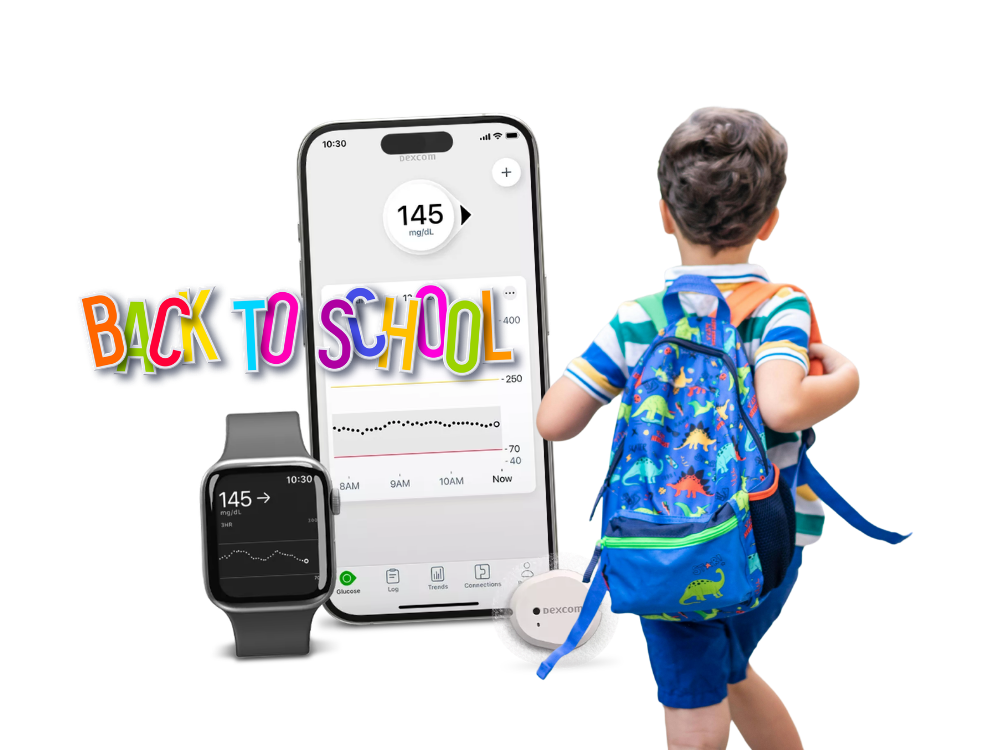
Start With a CGM Plan for School
Your child may spend six, seven, or more hours away from home each school day. Add sports, clubs, tutoring, and field trips, and that time can get even longer.
Before school starts, make sure the appropriate members of your child’s school team understand how diabetes is managed during the day.
Depending on your child’s age and needs, that may include the:
- School nurse
- Classroom teacher
- PE teacher or coach
- Front office staff
- After-school program staff
- Other designated school personnel
It can also help to discuss how CGM alerts will be handled, where backup supplies will be stored, and who your child should go to if they need help.
Pack a Diabetes School Kit
Backpacks already carry a lot, but diabetes supplies deserve their own designated space.
Your child’s individual needs may vary, but a school diabetes kit may include items such as backup CGM supplies, a glucose meter and testing supplies, fast-acting glucose, medications or insulin supplies as prescribed, snacks, and other items recommended by your child’s healthcare provider.
For younger children, consider keeping clearly labeled supplies with the school nurse or another approved staff member.
And don’t forget to check the kit throughout the year. Supplies can expire, get used, or mysteriously disappear into the depths of a backpack.
Talk About CGM Alerts Before They Happen
A CGM alarm in a quiet classroom can get attention quickly.
Talking about alerts ahead of time can make them feel much less disruptive when they happen.
Make sure your child knows what they should do when their CGM alerts them during class and that appropriate school staff understand that CGM alerts are related to their diabetes management.
If your child uses a phone or another smart device to receive CGM readings, make sure the school understands why the device may need to remain accessible during the school day.
School policies regarding phones and smart devices vary, so this is a conversation worth having before the first bell rings.
Don’t Forget PE, Recess and School Sports
The school day isn’t spent entirely behind a desk.
Recess, PE, sports practices, games, and other physical activities can all affect glucose levels. Your child’s diabetes care plan should account for activity during the school day and provide instructions for the appropriate school personnel.
For children who participate in school sports, it can also be helpful to make sure coaches know who to contact and where diabetes supplies are kept.
Prepare for Field Trips and Special Events
Field trips, class parties, testing days, assemblies, and other special events can change your child’s normal routine.
Before a field trip, confirm that your child will have access to their necessary diabetes supplies and that an appropriate adult understands their diabetes care needs.
It may also be worth keeping a smaller grab-and-go supply bag ready for days when your child will be away from their normal classroom or the nurse’s office.
Keep Extra CGM Supplies on Hand
Few things are more frustrating than realizing you’re running low on supplies on a Sunday night before school.
As the school year begins, take inventory of the diabetes supplies your child uses regularly. Check what you have at home, what needs to stay at school, and when the next shipment or refill is expected.
If your child’s CGM supplies are covered by insurance, understanding the ordering and refill process can also help prevent unnecessary gaps.
Give Older Kids More Independence When They’re Ready
Going back to school can be a good opportunity for older children and teens to become more involved in managing their supplies.
That might mean learning to check whether they have enough supplies before leaving home, recognizing their CGM alerts, remembering their school kit, or knowing which adult to contact when they need assistance.
The right level of independence will look different for every child. Their healthcare provider can help determine what is appropriate based on age, development, and individual needs.
Make CGM Supplies Part of Your Back-to-School Checklist
You’ve got the backpack. The pencils are sharpened. The new shoes somehow already have a scuff on them.
Now check the diabetes supplies.
Before the school year gets busy, take a few minutes to make sure your child’s CGM supplies are accounted for, their school kit is ready, and the people supporting them during the day have the information they need.
Need Help With Insurance-Covered CGM Supplies?
UroStat Healthcare helps eligible patients access continuous glucose monitoring supplies through their insurance coverage.
Our team can help verify coverage, coordinate required documentation, and make the supply process easier for families.
Ready to get started? Contact UroStat Healthcare to check your insurance coverage for CGM supplies.
This article is for general educational purposes and is not a substitute for medical advice. Always follow your child’s individualized diabetes care plan and the recommendations of their healthcare provider.