
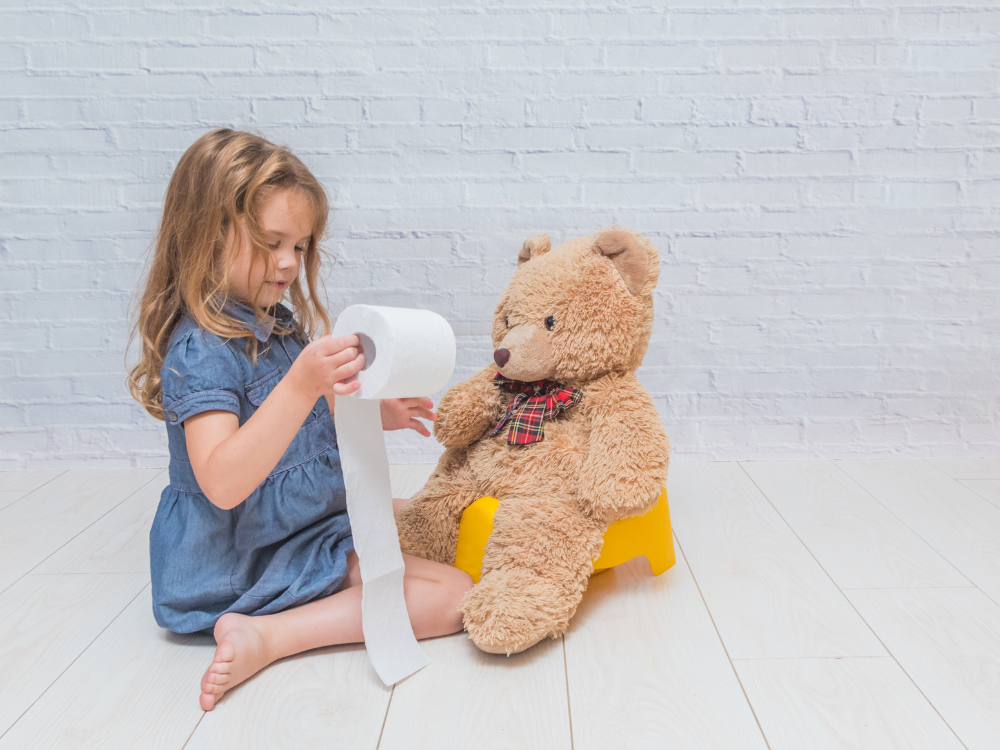
Potty training is a milestone that most parents look forward to, but for families raising a child with autism spectrum disorder (ASD), that milestone can feel like a mountain. If you’re searching for answers about autism and potty training, or trying to figure out which incontinence supplies are right for your child, you’re not alone. Millions of parents and caregivers face this challenge every day, and the good news is that with the right tools, timing, and supplies, progress is absolutely possible.
This guide is designed to help you understand why potty training is often more difficult for autistic children, what signs of readiness look like, and — most importantly — how to find the right incontinence supplies to support your child throughout the process without adding unnecessary stress for anyone in the family.
Why Potty Training Is Harder for Children with Autism
Before diving into product recommendations and shopping strategies, it helps to understand the “why” behind the struggle. Children with autism spectrum disorder often experience potty training difficulties for a number of interconnected reasons that have nothing to do with willpower or defiance.
Sensory sensitivities are one of the most common barriers. Many autistic children are hypersensitive to the sounds, smells, textures, and physical sensations that come with using the toilet. The feel of a cold toilet seat, the sound of flushing, the smell of a bathroom, or even the texture of toilet paper can be genuinely overwhelming for a child with sensory processing differences. What a neurotypical child barely notices can be a source of significant distress for an autistic child.
Communication challenges also play a major role. A child who struggles to communicate when they feel the urge to use the bathroom — whether due to limited verbal language, delayed speech, or difficulty identifying internal body signals — simply cannot participate in the same way a neurotypical child might. Many autistic children also experience interoception difficulties, meaning they have reduced awareness of internal bodily cues like bladder fullness or bowel pressure.
Transitions and routine disruptions present another hurdle. Autism is often characterized by a strong need for sameness and predictability. Asking a child to change one of the most ingrained daily routines — wearing and using diapers — can trigger significant anxiety and behavioral resistance. The bathroom itself may feel like an unfamiliar and unpredictable space.
Finally, cognitive and developmental differences mean that the typical age-based windows for potty training readiness do not apply to autistic children. Many autistic children are not developmentally ready for toilet training at age two or three, and that is completely normal. Pushing too early can actually set back progress significantly.
Recognizing Readiness in Autistic Children
One of the most important things caregivers can do is resist comparing their child to neurotypical potty training timelines. For autistic children, readiness looks different — and it may come later, sometimes much later. That is not a failure. It is developmental reality.
Signs that an autistic child may be ready to begin toilet training include showing awareness of being wet or soiled, even if they do not communicate it verbally. A child who pauses, looks uncomfortable, hides in a corner, or changes their behavior after eliminating is demonstrating body awareness. Additionally, being able to sit comfortably and remain still for one to two minutes is a physical prerequisite for toilet use.
If your child has a consistent schedule for bowel movements, that predictability can be a valuable entry point for training. Children who can follow simple one or two-step directions — even through visual supports or AAC devices rather than verbal instructions — are often better equipped to begin the process. And children who demonstrate interest in the toilet, bathroom routines, or watching others use the bathroom may be signaling natural readiness.
If you are unsure whether your child is ready, consulting with your child’s developmental pediatrician, occupational therapist, or a board-certified behavior analyst (BCBA) can provide personalized guidance. These professionals can also help you rule out underlying medical issues like constipation, which is extremely common in autistic children and can significantly complicate toilet training.
The Role of Incontinence Supplies During Toilet Training
Here is something many parents are not told early enough: using incontinence supplies during toilet training is not giving up. It is not a sign that your child will never be trained. It is a practical, compassionate strategy that reduces stress, prevents accidents from becoming emotional crises, and protects your child’s dignity throughout the process.
For autistic children — especially older ones — wearing a diaper or pullup that still fits and functions well is far less disruptive to daily life than managing frequent accidents in public, at school, or during therapy sessions. The right incontinence supplies allow families to continue participating in community activities, maintain school attendance, and support their child’s emotional regulation, all of which are prerequisites for successful toilet training.
Beyond the training period itself, it is also important to acknowledge that some autistic individuals experience lifelong incontinence challenges. This is not universally the case, but it is common enough that the incontinence supplies market has developed a wide range of products specifically designed for children and adults with special needs — including those with sensory sensitivities.
Types of Incontinence Supplies for Autistic Children and Adults
Understanding the landscape of available products makes shopping far less overwhelming. Here is a breakdown of the most commonly used categories.
Training Pants and Pullups
For children actively working on toilet training, training pants and pullups offer a middle ground between diapers and underwear. They allow children to pull clothing up and down independently — an important motor skill in the toilet training process — while still providing protection against accidents. Look for options with soft, breathable outer layers if your child has sensory sensitivities to textures or heat. Some brands offer “cool and wet” technology that helps children feel the sensation of wetness, which can reinforce body awareness without the full discomfort of a soaking accident.
Protective Underwear
For older children and adults who are further along in training or who have partial continence, protective underwear looks and feels more like regular underwear while still providing meaningful leak protection. For autistic individuals who are sensitive to appearing different from their peers, the more discreet design of protective underwear can significantly reduce anxiety and stigma around wearing protection. Many adults with autism who experience incontinence report that finding products that look and feel normal is a priority that dramatically affects their willingness to wear them consistently.
Disposable Underpads and Bed Pads
Nighttime incontinence is one of the most persistent challenges for autistic individuals, even those who achieve daytime continence. Disposable underpads, often called “chux,” and reusable waterproof mattress covers protect bedding and allow for faster, lower-stress cleanup during the night. For children who are already sensitive to disrupted sleep, the additional stimulation of a major middle-of-the-night sheet change can be destabilizing. Having a waterproof underlayer that can be removed and replaced quickly keeps disruption minimal.
Swim Diapers and Reusable Incontinence Swimwear
Community activities like swimming are important for autistic children — they support sensory integration, physical health, and social participation. Reusable incontinence swimwear and swim diapers make pool time accessible for children who are not yet fully continent. These are specifically designed not to swell or become waterlogged the way standard disposable diapers do in water, meaning they are both more comfortable and more practical for actual swimming.
Skin Care and Rash Prevention Products
Children and adults who wear incontinence products for extended periods are at higher risk for skin irritation, rashes, and breakdown. This is especially relevant for autistic individuals who may not be able to communicate skin discomfort or who resist having their skin checked regularly. Including zinc oxide barrier creams, fragrance-free skin cleansers, and moisture-wicking liners in your supply routine is a proactive investment in your child’s comfort and health.
How to Choose the Right Incontinence Supplies for Your Child
Shopping for incontinence supplies for an autistic child can feel overwhelming, particularly given the sensory sensitivities involved. The “best” product is the one your child will actually tolerate wearing — which may take some trial and error.
Consider Absorbency Level First
Match the product to your child’s actual needs. A product that is not absorbent enough results in leaks, which can trigger emotional distress and reinforce negative associations with toileting. A product that is overly bulky or hot can cause sensory discomfort and behavioral resistance to wearing it. Look for honest manufacturer descriptions of absorbency level, and when possible, read reviews from other parents of children with special needs.
Prioritize Soft, Quiet Materials
For children with tactile sensitivities, the inner lining of a product is critically important. Look for products described as “ultra-soft” or “cloth-like.” Equally important for some children is the sound the product makes when they move. Crinkling or rustling sounds can be deeply distressing for children with auditory sensitivities. Some brands offer quieter materials specifically for this reason.
Check Fit and Sizing Carefully
Autistic children and adults often continue needing incontinence products past the ages or sizes represented in standard children’s sizes. Many families find themselves in a difficult gap between the largest children’s sizes and the smallest adult sizes — a range where fewer options exist and proper fit becomes critical. Poor fit leads to leaks, discomfort, and skin issues. Take accurate measurements of your child’s waist and hips and compare carefully against manufacturer size charts rather than relying on age-based recommendations.
Look for Fragrance-Free Options
Many incontinence products are scented to mask odors. For children with olfactory sensitivities — extremely common in autism — these artificial fragrances can be a significant barrier to wearing the product. Fragrance-free lines are available from most major manufacturers and should be the default starting point for autistic children and adults.
Order Samples Before Buying in Bulk
Many online retailers and manufacturers offer sample packs or single-item purchases for new customers. Taking advantage of this before committing to a case quantity can save significant money and frustration. What works beautifully for one child may be completely unacceptable to another.
Where to Find Incontinence Supplies for Special Needs
Online Specialty Retailers
A growing number of online retailers specialize specifically in incontinence supplies for individuals with developmental disabilities, including autism. These retailers often offer a wider range of sizes, detailed product descriptions written with special needs considerations in mind, and the ability to purchase small quantities for trials. Shopping online also eliminates the stress of in-store shopping with a child who may struggle in retail environments.
Insurance Coverage and Medicaid Waivers
Many families do not realize that incontinence supplies may be covered under health insurance or Medicaid for children and adults who have documented medical necessity. If your child’s physician, developmental pediatrician, or urologist documents that the child has incontinence related to a neurological condition, many insurance plans — including Medicaid — will cover a monthly supply of appropriate products. Contact your insurer directly and ask about durable medical equipment (DME) benefits, and ask your child’s doctor to document medical necessity in their chart.
Additionally, many states offer Medicaid waiver programs for individuals with developmental disabilities that include coverage for incontinence supplies. These programs vary by state but can represent significant financial relief for families who are spending hundreds of dollars per month on supplies out of pocket.
Manufacturer Subscription Programs
Most major incontinence product manufacturers offer subscription programs that reduce per-unit costs and ensure consistent delivery. For families who have found a product that works well, a subscription eliminates the need for frequent reordering and often includes discounts of 10 to 15 percent or more.
Nonprofit and Community Resources
Various nonprofit organizations serving the autism and disability community offer assistance programs for incontinence supplies, particularly for lower-income families. Organizations such as The Arc, local autism societies, and disability-focused community organizations may have supply assistance programs or be able to connect families with local resources.
Tips for Making Incontinence Supply Routines Easier
Beyond choosing the right product, the daily routine around changing and managing incontinence supplies can itself become a source of behavioral challenges. Incorporating autism-friendly strategies into your routine can make a real difference.
Using visual schedules and social stories to prepare your child for changing routines reduces the unpredictability that can trigger anxiety. Many children respond well to having a consistent, predictable sequence — first this, then that — displayed visually in the changing area.
Whenever possible, involving your child in their own care builds independence and reduces the power-struggle dynamic that can develop around changing. Even if a child cannot independently manage their supplies, inviting them to hold the clean product, choose between two acceptable options, or participate in any step of the process supports their developing autonomy and dignity.
Keeping a well-stocked, organized supply station in multiple locations — home, school, therapy center, a travel bag — reduces the stress of scrambling for supplies during difficult moments. Consistency in the supplies themselves also matters: switching brands or products frequently can be its own disruption for a child who relies on sameness.
Patience, Advocacy, and Progress
If you are in the thick of this journey right now — exhausted, frustrated, and wondering if progress will ever come — please know that your experience is valid and your child’s pace is not a measure of your parenting. Toilet training for autistic children is genuinely hard. It takes longer. It requires more creativity, more flexibility, and more patience than most parenting books acknowledge.
The right incontinence supplies will not solve every challenge, but they can meaningfully reduce the daily stress load for your entire family, protect your child’s physical and emotional comfort, and give everyone more breathing room to focus on the actual work of training when the time is right.
Advocate fiercely for your child with their medical team, their school, and their insurance provider. Connect with other parents who are walking the same road. Celebrate every small step. And give yourself — and your child — the grace to move at the pace that is right for your family.
This article is intended for informational purposes only and does not constitute medical advice. Always consult with your child’s physician, developmental pediatrician, or a certified behavioral specialist before beginning or adjusting a toilet training program.