
If your child’s doctor has mentioned continuous glucose monitoring, or you’ve started researching diabetes care options, you’re probably looking for clear, straightforward information about what it is and whether it might be right for your child.
This guide explains the basics of continuous glucose monitoring (CGM) in simple terms, what it’s used for in children, and what questions you can bring to your child’s healthcare team.

What Is a Continuous Glucose Monitor (CGM)?
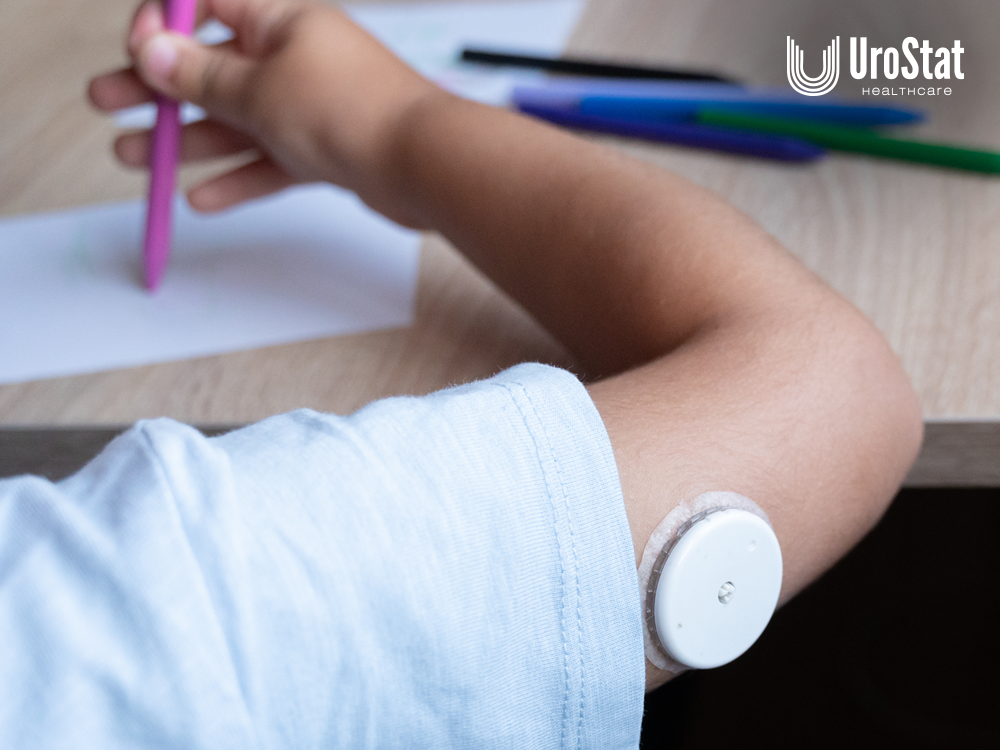
A continuous glucose monitor, or CGM, is a small medical device that tracks your child’s blood sugar levels throughout the day and night — continuously, without needing frequent finger sticks.
Here’s how it works at a basic level:
A small sensor is placed just under the skin, usually on the arm or abdomen. This sensor measures glucose levels in the fluid between your child’s cells (called interstitial fluid) and sends that information wirelessly to a receiver or compatible smartphone.
The result is a real-time picture of your child’s glucose levels — and how those levels are trending over time.
Unlike traditional blood glucose meters that give you a single reading when you prick your finger, a CGM provides ongoing monitoring. It measures glucose every few minutes, which means you can see patterns, trends, and changes as they happen throughout the day.
For many families, this ongoing visibility offers a different way to understand and manage their child’s blood sugar.
Who Is CGM Typically Recommended For?
Continuous glucose monitoring is most commonly used by children and teens who have diabetes — particularly Type 1 diabetes, though it may also be appropriate for some children with Type 2 diabetes or other conditions that require ongoing blood sugar monitoring.
Your child’s healthcare provider might discuss CGM if:
- Your child has been diagnosed with diabetes and needs consistent glucose monitoring
- Blood sugar levels have been difficult to manage with traditional monitoring alone
- Your child experiences frequent low blood sugar episodes (hypoglycemia) or high blood sugar episodes (hyperglycemia)
- Nighttime blood sugar management is a concern
- Your child is very young and cannot communicate how they’re feeling
- Your family is looking for ways to reduce the number of daily finger sticks
It’s important to know that CGM is not right for every child or every situation. Suitability depends on your child’s specific needs, age, lifestyle, and what your healthcare provider recommends based on their medical history.
CGM vs. Finger-Stick Blood Glucose Testing
For many years, finger-stick testing with a traditional blood glucose meter has been the standard way to check blood sugar levels in children with diabetes. And for many families, it still plays an important role.
Here’s how the two approaches differ:
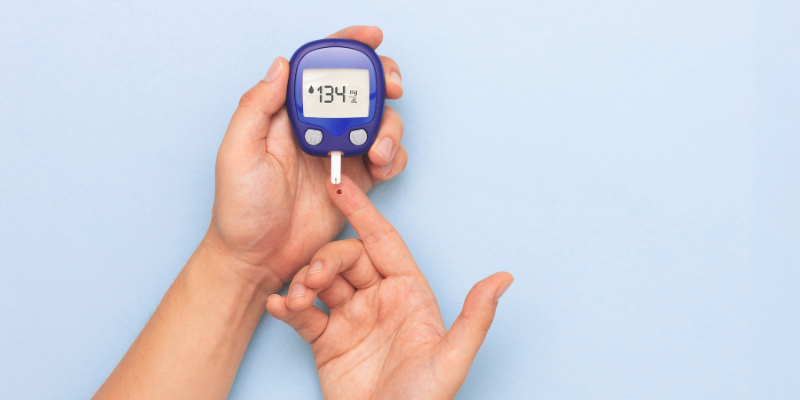
Traditional finger-stick testing involves pricking your child’s finger with a small lancet to get a drop of blood, which is then measured by a glucose meter. This gives you a snapshot of your child’s blood sugar at that specific moment. If you need to know how blood sugar is changing throughout the day, you’ll need to test multiple times — before meals, after meals, at bedtime, and sometimes in the middle of the night.
Continuous glucose monitoring uses a sensor placed on your child’s body that measures glucose levels continuously, every few minutes. The readings are sent to a device or smartphone, where you can see current levels and trends. You can also see whether glucose is rising, falling, or staying steady.
Both methods measure glucose, but they do so in different ways and provide different types of information. Many families who use CGM still keep a traditional meter on hand for occasional finger-stick checks, especially when they want to confirm a CGM reading or if the sensor needs calibration (though not all CGM systems require calibration).
Your child’s healthcare provider can help you understand which approach — or combination of approaches — makes the most sense for your child’s care plan.
Potential Benefits Parents Often Ask About
Parents often want to know what difference CGM might make in their child’s daily life. While every child’s experience is different, here are some of the ways CGM may help:
Fewer finger sticks. For many children, reducing the number of daily finger pricks can make diabetes management feel less disruptive. Some CGM systems can significantly reduce or even eliminate the need for routine finger sticks (though backup testing may still be needed at times).
Real-time glucose information. CGM allows you to see your child’s current glucose level at any time, without needing to stop what they’re doing for a finger stick. This can be especially helpful during school, sports, or other activities.
Trend visibility. CGM doesn’t just show you a number — it shows you whether glucose is rising, falling, or staying stable. This trend information can help you and your child’s care team make more informed decisions about food, insulin, and activity.
Alerts for high and low blood sugar. Many CGM systems can send alerts if your child’s glucose goes too high or too low, which can provide reassurance, especially at night.
Better overnight monitoring. CGM tracks glucose while your child sleeps, which can help you catch nighttime lows or highs without needing to wake your child for finger sticks.
Data for healthcare providers. CGM generates detailed reports that show patterns over days or weeks. This information can help your child’s doctor or diabetes care team adjust treatment plans more precisely.
It’s important to remember that CGM is a monitoring tool, not a treatment. It provides information that can support diabetes management, but it doesn’t replace insulin, medication, or the guidance of your child’s healthcare team.

Questions Parents Can Ask Their Child’s Provider
If you’re considering continuous glucose monitoring for your child, here are some questions that can help guide your conversation with their healthcare provider:
- Is CGM appropriate for my child based on their age, type of diabetes, and current management plan?
- How would CGM fit into my child’s daily routine?
- Will my child still need to do finger-stick tests, and if so, how often?
- What does wearing a CGM sensor feel like? Is it comfortable for kids?
- How often does the sensor need to be changed, and can my child do activities like swimming or sports while wearing it?
- What happens if the sensor falls off or stops working?
- Are there different CGM options we should know about, and how do we decide which might be best?
- How will we learn to use and interpret the information from the CG
- Does our insurance cover CGM, and what steps do we need to take?
- What kind of follow-up and support will we have as we get started?
These questions can help you understand not just whether CGM is right for your child, but also what the day-to-day experience will look like for your family.
You Don’t Have to Figure This Out Alone
Learning about diabetes monitoring options can feel overwhelming, especially when you’re trying to balance medical information with what will actually work for your child and your family.
The most important thing to know is that you don’t have to figure this out on your own.
Your child’s healthcare provider and diabetes care team are there to help you understand your options, answer your questions, and guide you toward the approach that makes the most sense for your child.
If CGM is recommended, you’ll also work with a medical equipment supplier to get the device and supplies you need. Suppliers like UroStat Healthcare work with families every day to help navigate the process—from verifying insurance coverage to coordinating with your child’s doctor to ensuring you have the training and support you need to feel confident.
The goal is to find an approach to glucose monitoring that supports your child’s health, fits into your family’s life, and gives you the information you need to make good decisions together.
Take your time, ask questions, and trust that the right next steps will become clear as you work with your child’s care team.
Moving Forward with Confidence
If you’re reading this, you’re already doing important work — learning, researching, and trying to make the best decisions for your child’s health.
Continuous glucose monitoring is one tool among many that can support diabetes management in children. It’s not right for every family or every child, but for those who use it, it can provide valuable information and peace of mind.
As you continue your research and talk with your child’s healthcare provider, remember that you’re not expected to become an expert overnight. You’re simply gathering information so you can make informed choices alongside your child’s medical team.
Whether CGM becomes part of your child’s care plan or not, what matters most is that you have the support, resources, and information you need to help your child thrive.
Note: This article is for educational purposes only and does not constitute medical advice. Always consult with your child’s healthcare provider before making decisions about diabetes monitoring or treatment.
Related Resources
- Pediatric CGMs for Diabetes – Learn more about how UroStat supports families
- How It Works – Understanding the insurance and approval process
- Contact UroStat – Speak with a care specialist about CGM options
For questions about whether CGM might be appropriate for your child, or to learn more about the process of getting started, contact UroStat Healthcare at 888-845-8698.