
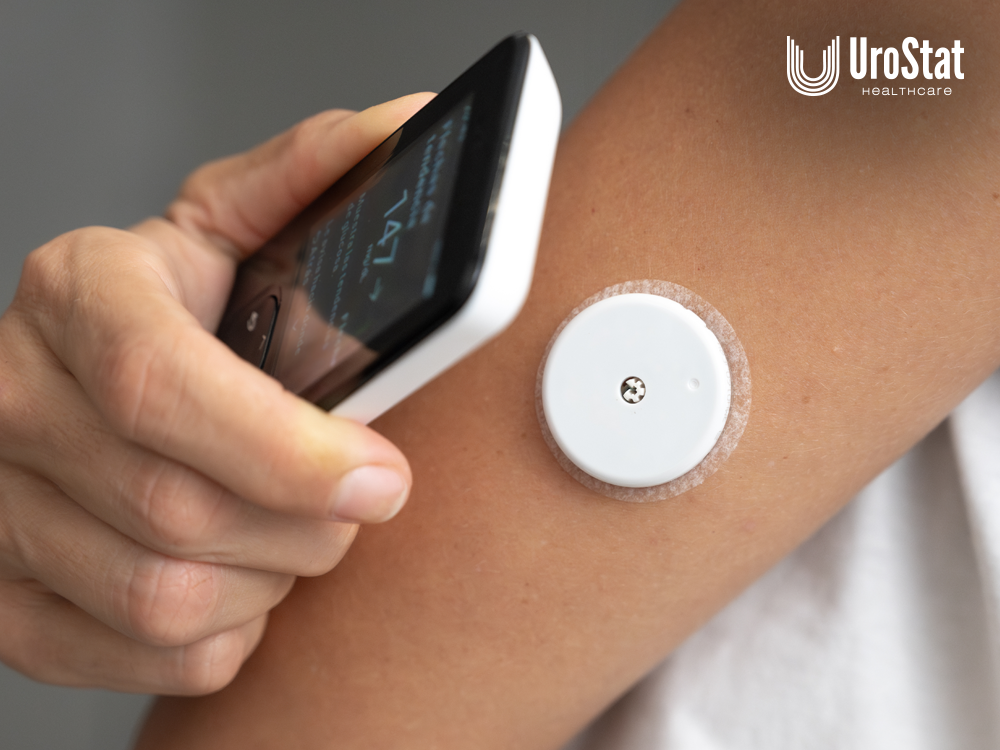

If you’ve ever looked at your glucose monitor and thought, “Why is my blood sugar high? I didn’t even eat anything,” know that this is common. Continuous Glucose Monitors (CGMs) are designed to help people living with diabetes manage blood sugar, but they also offer surprising insights into your stress levels, sleep quality, and overall well-being.
Here’s what your glucose monitor might be telling you, and how UroStat Healthcare helps make diabetes management less stressful for families and individuals alike.
The Connection Between Stress and Blood Sugar
When you’re under stress, whether from a hectic workday, emotional upset, or even illness, your body enters “fight or flight” mode. This triggers stress hormones like cortisol and adrenaline, which tell your liver to release stored glucose for energy.
For people with diabetes, this extra glucose doesn’t get used properly and builds up in the blood. That’s why you might see unexpected spikes on your CGM even if you haven’t eaten recently.
Signs Your CGM Is Reflecting Stress:
- A spike in glucose during a meeting or confrontation
- Higher levels in the morning (known as the Dawn Phenomenon)
- Patterns of elevation on particularly busy or emotional days
Related: Can Diabetes Hurt Your Heart? What You Need to Know
Sleep and Glucose: Why Your Numbers Change Overnight
Sleep is one of the most important, and often overlooked, factors in blood sugar control. When you’re not getting enough rest, or your sleep schedule is irregular, it can:
- Raise cortisol levels
- Lower insulin sensitivity
- Increase cravings and reduce motivation for exercise
All of this impacts your blood sugar the next day.
What Your CGM Can Show You About Sleep:
- Higher overnight glucose levels if you tossed and turned
- Spikes after a night of poor or broken sleep
- Stable levels when you’re consistently well-rested
Read More: How to Build a Diabetes-Friendly Routine That Sticks in 2026

Using Your CGM Data for Lifestyle Improvements
Your CGM gives you real-time feedback on more than just food. When paired with a simple log of your day, including mood, meals, exercise, and sleep, you can start to see powerful patterns emerge.
Noticing a spike after arguments? Seeing better control on days you walk? Sleep more than 7 hours and wake up with lower readings? These insights help you take small, sustainable steps that make a real difference in your health.
UroStat Supports Families With CGMs for Kids and Adults
UroStat Healthcare helps children, teens, and adults get access to the CGM supplies they need, including coverage through Medicaid, Medicare, or commercial insurance. We work directly with providers to simplify approvals and deliver supplies right to your door.
Pediatric CGM Support – UroStat for Little Ones
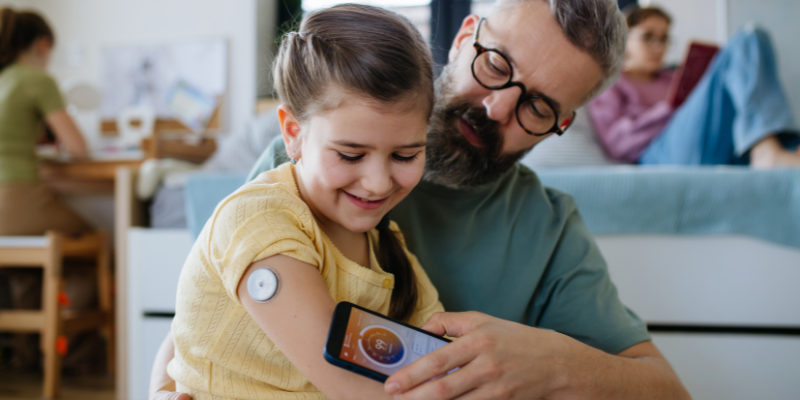
Continuous Glucose Monitoring helps children manage diabetes more safely by reducing dangerous highs and lows and empowering parents with real-time insights.
We help families across Georgia, Alabama, Mississippi, Ohio, and Kentucky get covered for:
Our team helps families of kids with Type 1 or insulin-dependent Type 2 diabetes navigate the Medicaid process, so you can focus on your child, not the paperwork.
What This Means for You
Your CGM is more than a tool; it’s a window into how your body reacts to daily life. When you understand how stress and sleep affect your glucose, you can make smarter choices, adjust habits, and feel more confident in your care.
Need help getting CGM supplies for yourself or your child? UroStat makes it simple and stress-free.
Get Covered and Start Monitoring Smarter
Our friendly team helps with insurance approvals and delivers your diabetes supplies to your doorstep, no phone trees or confusing paperwork.
FAQs About Blood Sugar Patterns, Stress, Sleep, and CGM Use
Q: Why does my glucose go up even if I didn’t eat anything?
This could be from stress hormones (like cortisol) or sleep disruption. CGMs help you track these changes in real time.
Q: Can poor sleep raise blood sugar?
Yes! Poor sleep can reduce insulin sensitivity and cause blood sugar to rise, even the next day.
Q: What’s the Dawn Phenomenon?
It’s a natural early-morning rise in blood sugar due to hormone changes. CGMs are helpful for tracking and understanding this pattern.
Q: Can my child use a CGM?
Yes! Pediatric CGMs like the Dexcom G7 and Libre 3 are approved for children with diabetes. UroStat can help you get covered through Medicaid or insurance.