

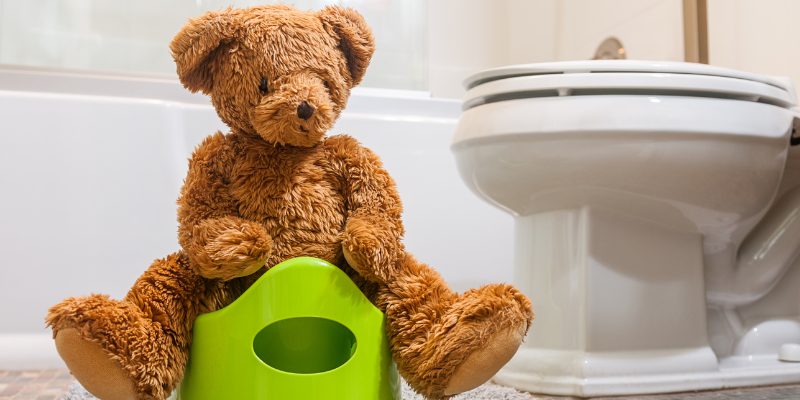
Potty training is one of those milestones that looks simple on paper… and then real life happens. Maybe your child showed early interest and suddenly changed their mind. Maybe they’re doing great one week and refusing the potty the next. Or maybe absolutely nothing is happening at all—and you’re wondering if you’re doing something wrong.
If that sounds familiar, take a breath: you’re not alone, and your child isn’t behind.
At UroStat Healthcare, we support families navigating all types of toileting journeys, including the ones that take longer, come with added challenges, or just don’t go “by the book.” Whether your child has developmental differences, sensory sensitivities, or just needs more time, this guide is for you.
Why Potty Training Can Take Longer for Some Kids
There is no universal timeline for potty training. While some kids may be ready by age 2, others may need more time at 3, 4, or beyond.
Delays can happen for many reasons, like:
- They’re still developing body awareness or motor skills
- They’re experiencing speech or communication delays
- They’re anxious about change or new routines
- There’s a new sibling, move, or daycare change
- They’re struggling with constipation or discomfort
- They have medical, developmental, or sensory differences
Delayed potty training doesn’t mean you’re failing. It simply means your child needs a different kind of support.
Tips for Helping Potty Train Your Child
1. Press Pause and Take Off the Pressure
If daily battles over the potty are wearing everyone down, it’s okay to take a break.
A 2–3 week pause can help:
- Reset your child’s emotional response
- Remove power struggles
- Restore confidence for both of you
- Reduce anxiety or resistance
Sometimes stepping back is the most productive thing you can do.

2. Reintroduce the Potty Slowly and Playfully
When you try again, go slow. Shift the focus from “success” to simply getting comfortable.
Try:
- Letting your child sit on the potty with clothes on
- Reading books or singing while they sit
- Keeping the potty visible in common spaces
- Celebrating every small win (even just sitting!)
- Avoiding pressure or time limits
Even five seconds on the potty counts as progress.
3. Build Potty Time into Daily Routines
Young children thrive on routine. Try incorporating potty reminders into moments that already happen every day:
- After waking up
- Before leaving the house
- After meals
- Before naps or bedtime
- Before or after bath time
These predictable cues help create associations between body signals and the potty, which is key for long-term success.

4. Use Play and Praise to Build Confidence
Toileting is a big developmental task. Play helps make it feel manageable and even fun.
Supportive ideas include:
- Potty-themed storybooks
- Doll or stuffed animal potty play
- Potty-time sticker charts
- Picking out “big kid” underwear together
- Using silly songs or sound cues
Most importantly: praise effort, not just results.
“You sat on the potty — I’m proud of you!” goes further than “Did you pee?”
5. Accidents Happen — Keep Calm and Carry On
Regression, resistance, and accidents are normal, especially during transitions. What matters is how you respond.
Keep cleanups calm and neutral:
- Calm and matter-of-fact (“Oops, that’s okay.”)
- Free of shame or pressure
- Focused on reassurance (“Your body’s still learning.”)
Confidence grows when kids know they’re safe, even when things go wrong.

6. Know When Extra Support Might Help
Some kids may benefit from longer-term support, and that’s okay, too. Depending on your child’s needs, you may consider:
- Training pants for daytime
- Overnight protection
- Protective mattress covers
- Skin-friendly wipes and creams
- Medical incontinence supplies (for kids with diagnoses)
UroStat Healthcare offers Medicaid-covered pediatric incontinence supplies to help families stay supported without added financial stress. We’re here to make sure your child feels comfortable, cared for, and confident.
When to Talk to Your Pediatrician
You may want to check in with your child’s pediatrician if:
- Your child seems distressed or fearful about toileting
- Constipation or painful bowel movements are common
- Potty progress suddenly regresses without clear reason
- You suspect a sensory or developmental delay
- Your child is over age 4 and still not showing readiness
Early conversations can help uncover underlying issues and give you the tools to support your child.
You’re Doing an Amazing Job
Potty training is not a race, and there’s no “perfect timeline.” What matters most is helping your child feel safe, supported, and proud of every small win.
Longer potty training just means your child needs time — and love — to get there.
If your family needs supplies, reassurance, or Medicaid-covered incontinence products along the way, UroStat Healthcare is here for you with gentle guidance and dependable support.