
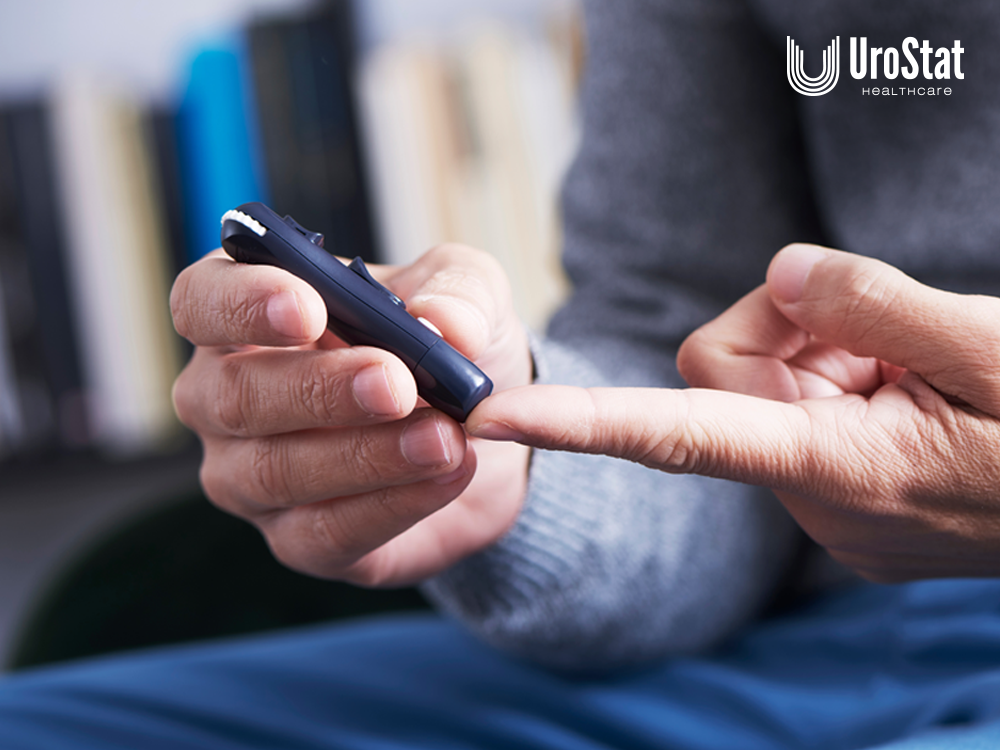

Living with diabetes means juggling a lot. Between blood sugar checks, meals, medications, activity, and everyday life, it can sometimes feel overwhelming, especially if you’re trying to “do it all” without a steady rhythm in place.
But building a routine that truly works for you doesn’t have to be complicated. Just a few small, realistic changes can help you feel more in control, and more confident, day after day.
Whether you’re newly diagnosed or just ready to feel more supported in 2026, this guide is here to help you build a diabetes-friendly routine that feels doable.
Why Daily Routines Make Diabetes Easier to Manage
If you feel like you’re always rushing to do this or that and can’t ever catch up, then a routine is a must.
A predictable routine helps you:
- Keep your blood sugar levels more stable
- Stay on track with medications and CGM use
- Lower decision fatigue (“What should I eat? When do I check?”)
- Reduce stress and improve energy
- Build confidence in managing your condition
Sometimes writing this new routine out in a notebook, on a whiteboard, or your phone’s notetaking app can help you get organized and remember what you need to do. Below are steps you can take to create a steady routine.
Step 1: Start With a Steady Morning Routine
How you begin your day sets the tone for everything that follows, including your glucose.
Try adding one or more of these morning “anchors”:
- Check your blood sugar before breakfast
- Drink a glass of water within the first 15 minutes of waking up
- Take medications at the same time each day
- Eat a balanced breakfast (protein + fiber + healthy carbs)
- Take a short walk or stretch — movement helps glucose rise more slowly after meals
Your morning doesn’t have to be “perfect.” It just needs to be predictable and consistent.
Step 2: Eat with Balance, Not Restriction
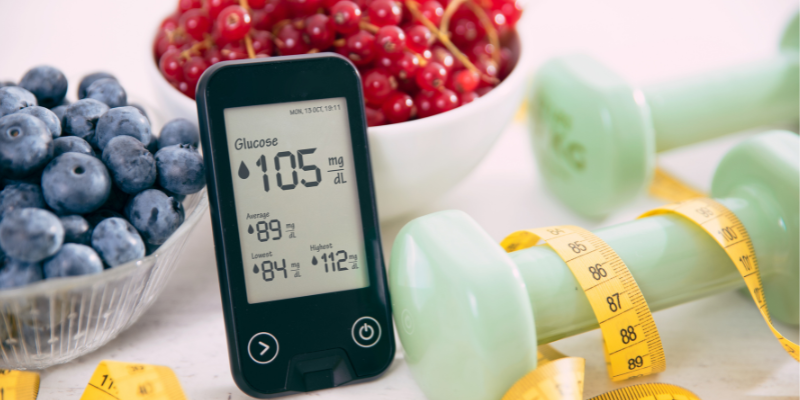
This part can feel the most difficult, not just for individuals with diabetes, but for everyone. You don’t have to avoid every carb or give up your favorite foods. In fact, that type of restriction is most often how people fall off of routine. Instead, aim for balance.
Use the “½–¼–¼” method at meals:
- ½ plate of non-starchy vegetables (see example list below)
- ¼ plate lean protein (chicken, turkey breast, fish, tofu, beans, eggs, etc.)
- ¼ plate whole grains or starches (oats, quinoa, brown rice, barley, bulgur, whole wheat)
Also try to pair fiber, protein, and hydration at every meal. This slows digestion and keeps your blood sugar steadier.
List of Non-Starchy Vegetables
- Artichoke (and artichoke hearts)
- Asparagus
- Baby corn
- Beans (green, wax, Italian)
- Bean sprouts
- Beets
- Brussels sprouts
- Broccoli
- Cabbage (green, bok choy, Chinese)
- Carrots (in moderation)
- Cauliflower
- Celery
- Eggplant
- Greens (collard, kale, mustard, turnip)
- Leeks
- Mushrooms
- Onions
- Peppers
- Radishes
- Salad greens (lettuce, romaine, spinach, arugula)
- Sprouts
- Squash (zucchini, spaghetti, summer)
- Swiss chard
- Tomato
- Turnips
- Water chestnuts
Step 3: Make Movement Part of Your Rhythms — Not a Chore
Physical activity helps your body use insulin more effectively, even small doses. You don’t need long workouts to make an impact.
Try these simple, approachable ideas:
- Take a 10-minute walk after meals
- Stretch during work or school breaks
- Dance around while cleaning or cooking
- Playing with your kids or pets
- Try a gentle YouTube movement video
- Standing and moving each hour
You don’t have to “work out,” you just have to move.
Step 4: Create a CGM + Medication Routine You Can Rely On
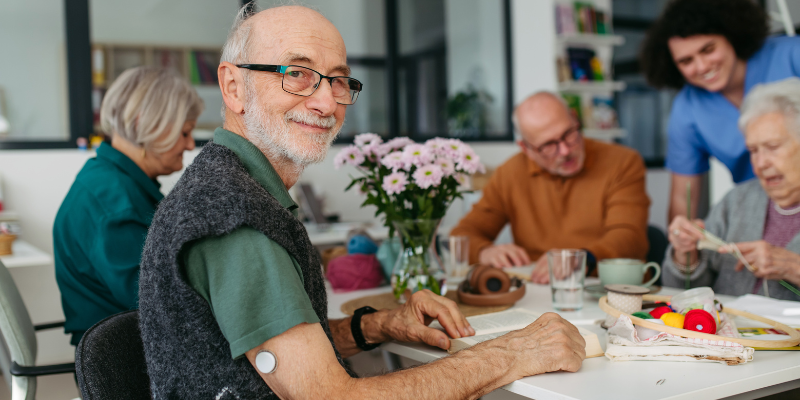
Whether you’re using a Continuous Glucose Monitor (CGM), insulin, or oral meds, building these into your day removes decision fatigue.
Try these strategies:
- Keep all your supplies in one spot (drawer, bin, or travel pouch)
- Set recurring alarms for meds and CGM changes
- Pick consistent times for sensor replacements
- Use refill reminders to avoid last-minute scrambles
- Track trends once a day, not all day
Need help staying stocked with diabetes supplies and CGMs? UroStat can help you get your diabetes supplies through insurance, with no stress. Visit our website to check your insurance eligibility and get help ordering supplies from our team.
Step 5: Prep Your Evenings for Tomorrow’s Success
Your nighttime habits play a major role in your next day’s numbers. Plus, they support better sleep.
Try:
- A gentle wind-down routine
- Light stretching or calming music before bed
- Avoiding heavy meals or sugary snacks (and drinks) right before sleep
- Preparing tomorrow’s breakfast, lunch, or snacks
- Checking blood sugar if recommended by your provider
Sleep is your secret weapon! A calmer evening will help everything.

Free Diabetes-Friendly Daily Routine Chart
Use this simple chart to map out your personal rhythm. Print it, bookmark it, or screenshot it — whatever makes it stick.
| Time of Day | Your Habit | Why It Helps |
| Morning | ☐ Blood sugar check | Helps start the day with clarity |
| ☐ Water + breakfast | Supports hydration and stable glucose | |
| ☐ Medications | Keeps consistency strong | |
| Midday | ☐ Balanced lunch | Prevents post-lunch blood sugar spikes |
| ☐ 5–10 min walk | Supports glucose control | |
| Afternoon | ☐ Snack with protein | Prevents afternoon dips and cravings |
| ☐ Hydration check | Fights fatigue and helps sugar control | |
| Evening | ☐ Light movement | Lowers post‑dinner glucose |
| ☐ Prep supplies for tomorrow | Lowers morning stress | |
| ☐ Gentle wind-down | Promotes deeper sleep |
You Don’t Have to Manage Diabetes Alone
The best routine is the one that feels doable, not perfect. This year, be kind to yourself. Celebrate small wins. And remember that support is always here for you.
If you or your child uses a CGM, UroStat is here to help you get the right supplies, understand your coverage, and stay stocked—stress-free.