Pediatric CGM Support for Families
UroStat Healthcare helps families navigate Medicaid coverage and ongoing access to pediatric continuous glucose monitoring (CGM) supplies.
By coordinating directly with Medicaid plans and providers, UroStat simplifies the process from prescription to delivery, ensuring consistent, home-delivered CGM supplies so families can focus on care instead of paperwork.
What Is a CGM?
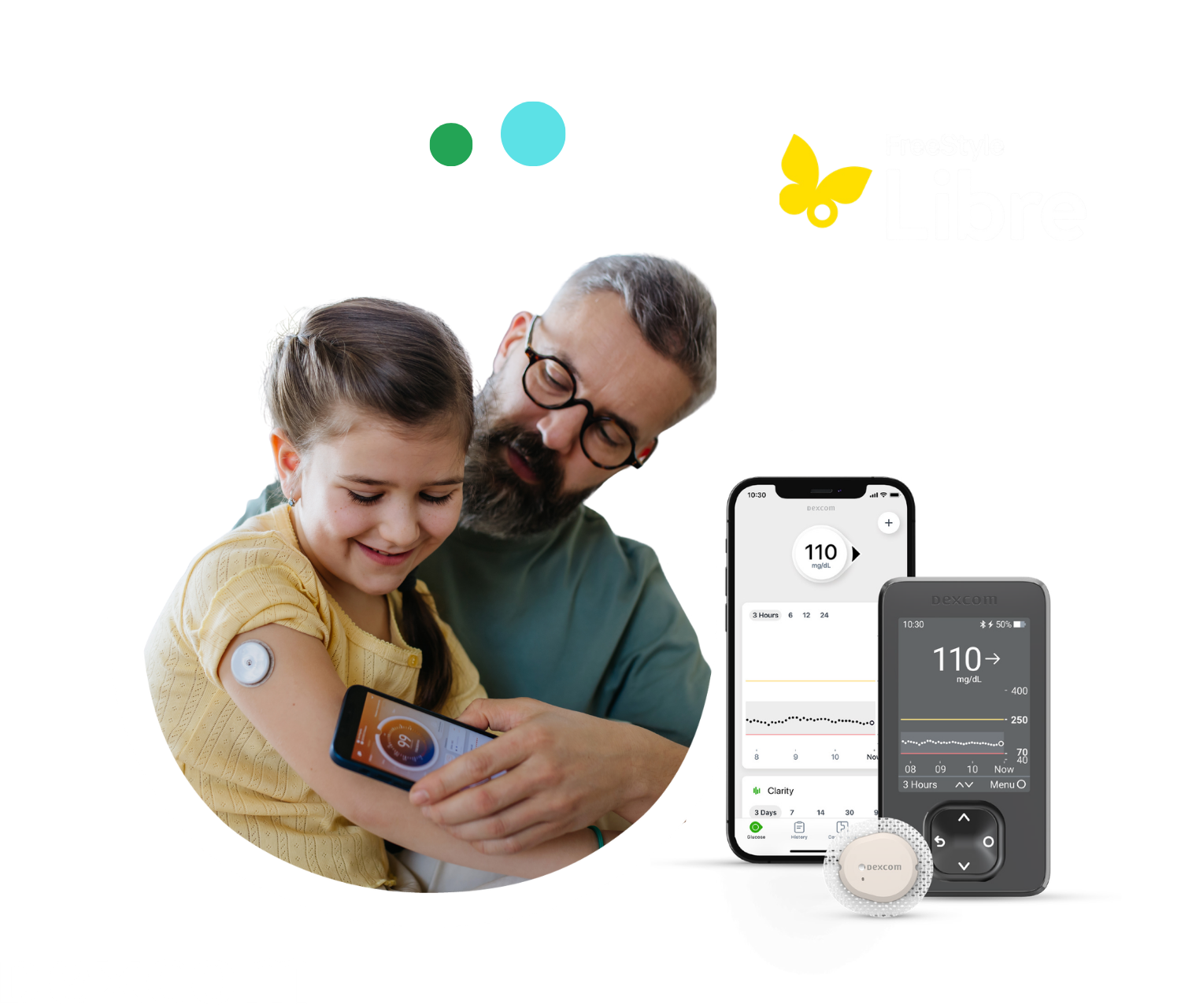
Continuous glucose monitoring (CGM) devices provide real‑time glucose data to support diabetes management in children and teens. Learn more about CGMs, how they function and top Continuous Glucose Monitors (CGMs) for Pediatrics in 2025.
CGM Support for Children and Teens
Our pediatric CGM support program helps families seeking access to CGM supplies for children and teens who meet medical and insurance requirements. Coverage considerations may include:

- Insulin use
- Provider documentation
- Frequent glucose monitoring needs
Brands You Already Love
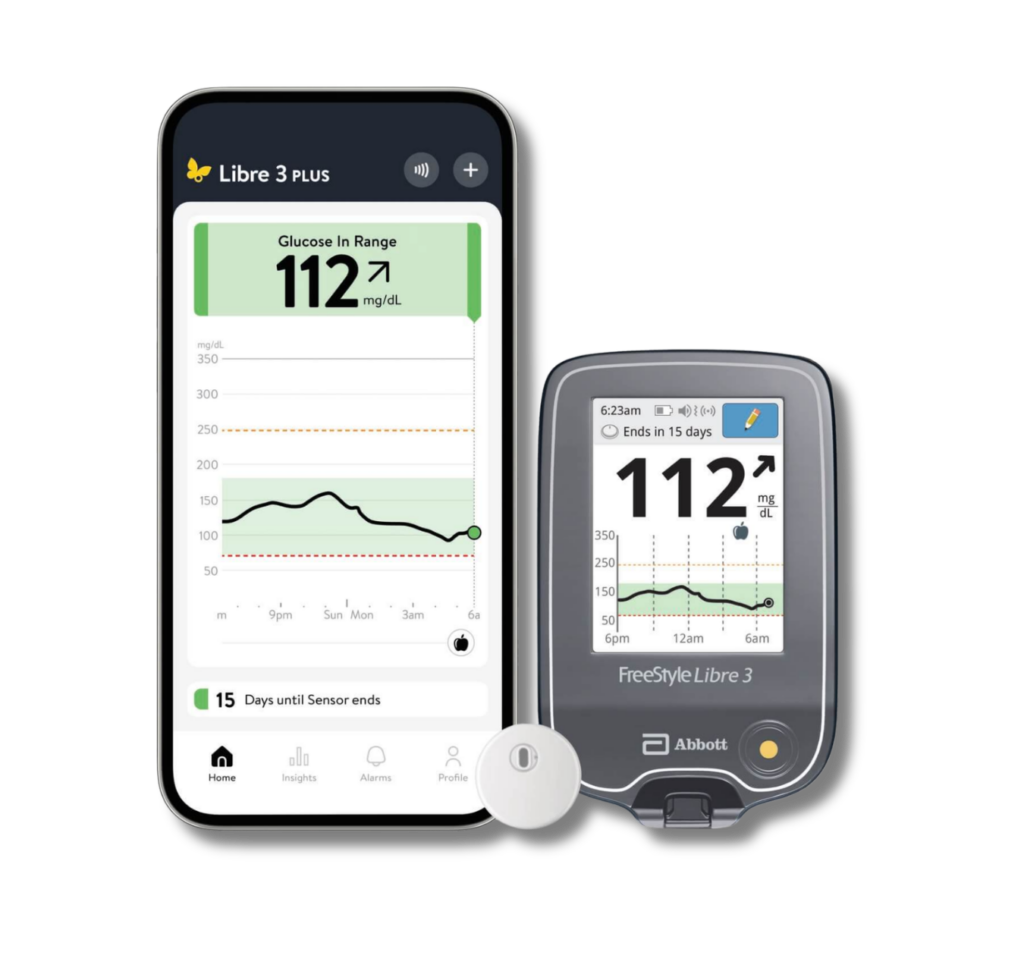
UroStat handles leading CGM systems, including, but not limited to:
Medicaid Navigation Support
Helping Families Navigate Pediatric CGM Coverage
UroStat Healthcare supports pediatric patients by helping families navigate Medicaid coverage, approvals, and ongoing access to CGM supplies. UroStat provides assistance with:
- Medicaid plan coordination
- Approval documentation
- Ongoing supply access
- Home delivery of CGM supplies
- States in network: Georgia, Alabama, Mississippi, Ohio, Kentucky, and Pennsylvania
Why Families Choose UroStat
- Pediatric‑appropriate sizing support
- Discreet home delivery
- Sterile, single‑use options available
- Experience supporting pediatric needs
- One point of contact for ongoing supply needs
- Options for intermittent catheterization
- Trusted medical brands
Have questions about pediatric catheter supplies or insurance coverage? Our team can help.
Catheter FAQs
What are the different types of catheters available?
There are several types of catheters, including intermittent catheters (single-use), Foley or indwelling catheters (remain in place), closed-system catheters (help reduce infection risk), hydrophilic catheters (pre-lubricated), and external catheters (such as condom catheters for men).
What is the difference between male and female catheters?
The main difference is the length. Male catheters are about 16 inches long to fit the male urethra, while female catheters are about 6 inches long. Both are designed for safe and effective bladder drainage.
Is catheter supplies invoiced through insurance?
Yes. Many catheter supplies are covered by insurance, Medicare, and Medicaid. At UroStat Healthcare, we help verify eligibility and manage the paperwork for you.
Are catheters painful to use?
When used correctly with lubrication or pre-lubricated designs, catheters should not be painful. If you feel discomfort, it may be due to sizing or technique — we recommend speaking with your provider.
How do I know which catheter is right for me?
The right catheter depends on your diagnosis, anatomy, and lifestyle. Your healthcare provider will prescribe the best option, and our team can help you choose from trusted brands and sizes.
Can I travel while using catheters?
Yes. Travel with catheters is common. Many people use compact intermittent or pre-lubricated catheters for convenience when on the go. We can help schedule deliveries so you don’t run out during trips.
Do men and women both use intermittent catheters?
Yes. Intermittent catheters are widely used by both men and women who need to empty their bladder multiple times a day without wearing an indwelling catheter.
How do I order catheter supplies online?
With UroStat Healthcare, ordering is simple. We verify your insurance, confirm your prescription, and deliver supplies directly to your door on a regular schedule.